Phillidor once famously said “pawns are the soul of chess”, and nearly three centuries later, this principle still holds true. In fact, one of the most challenging skills in chess is learning how to formulate the right plan, and to achieve this, understanding the pawn structure is paramount.
I first learned this principle when I was 12. At the time, I was reading Conformaciones de Peones (translates to “Pawn Formations”). The premise of that book was that, by looking at the pawn structure, we could identify weaknesses, strong squares and opportunities, and that was exactly the information needed to decide the right course of action. I loved that book, but there was one clear downside: the book wasn’t structured around typical openings or the resulting middlegames, and that lack of structure made it significantly harder to internalize every insight. I have a saying from my own teaching:
If a student cannot put their learning into words, they didn’t learn that much.
I think that phrase applies to a lot of writing including the book above. It was a wonderful book, with lots of great examples, but I couldn’t absorb it fully because the way it was structured made it hard for me to put things into context.
Chess Structures: Origins & Reception
I came up with the idea for Chess Structures in the summer of 2013, inspired by my own experience teaching. I realized that it was far easier to remember what you learned if you knew what pawn structure it applied to. The whole premise was that the easiest way to understand a position and formulate the right plan was to know what structure it came from. I contacted Quality Chess with the proposal, and luckily, they liked it and the rest is history!
Chess Structures goes through some of the pawn structures that occur most frequently in chess. I was quite happy when I came up with the concept for the book, since I knew it would be an effective learning method, and I wasn’t aware of any other books covering similar ground. However, during the writing process, I came across two books with a similar theme. The first one I discovered was Pawn Structure Chess. This book has a nearly identical premise as Chess Structures, and many people enjoy it, but I think the idea wasn’t executed quite as well. I think the biggest difference between the two books is the quality of the examples that were chosen. I developed a very strict criteria for selecting examples, and it does make a big difference, but that’s a topic for another day.
Another book I found near the end of writing was Winning Chess Middlegames which mostly covered positions arising from 1.d4 d5, as well as the Queen’s Indian Defense. Although coverage is narrower, I do think this is a great book. Some readers have found it a little terse, but if you are 2200+, I think the strength of the author matters more than their writing style, so I would recommend it.
Similar Books Published Before Chess Structures
Books Published in the Last 10 years
The topic of using the pawn structure to determine a middlegame plan continues to attract attention from students and teachers alike, and new books have been published. The Power of Pawns was published in 2016, the book covers a few pawn-related subjects (like weaknesses), and then dives into some typical pawn structures to map out their plans (such as IQP and hanging pawns). Zlotnik’s Middlegame Manual, published in 2021, again covers the subject, and it’s perhaps the most similar to Chess Structures, in the sense that it’s comprehensive in nature. Meanwhile, Winning Chess Middlegames Vol 2 came out in 2024, as a continuation of the previous book, but focused on structures that typically arise from 1.e4.
Books Published Since 2016
What About Other Books on Pawns?
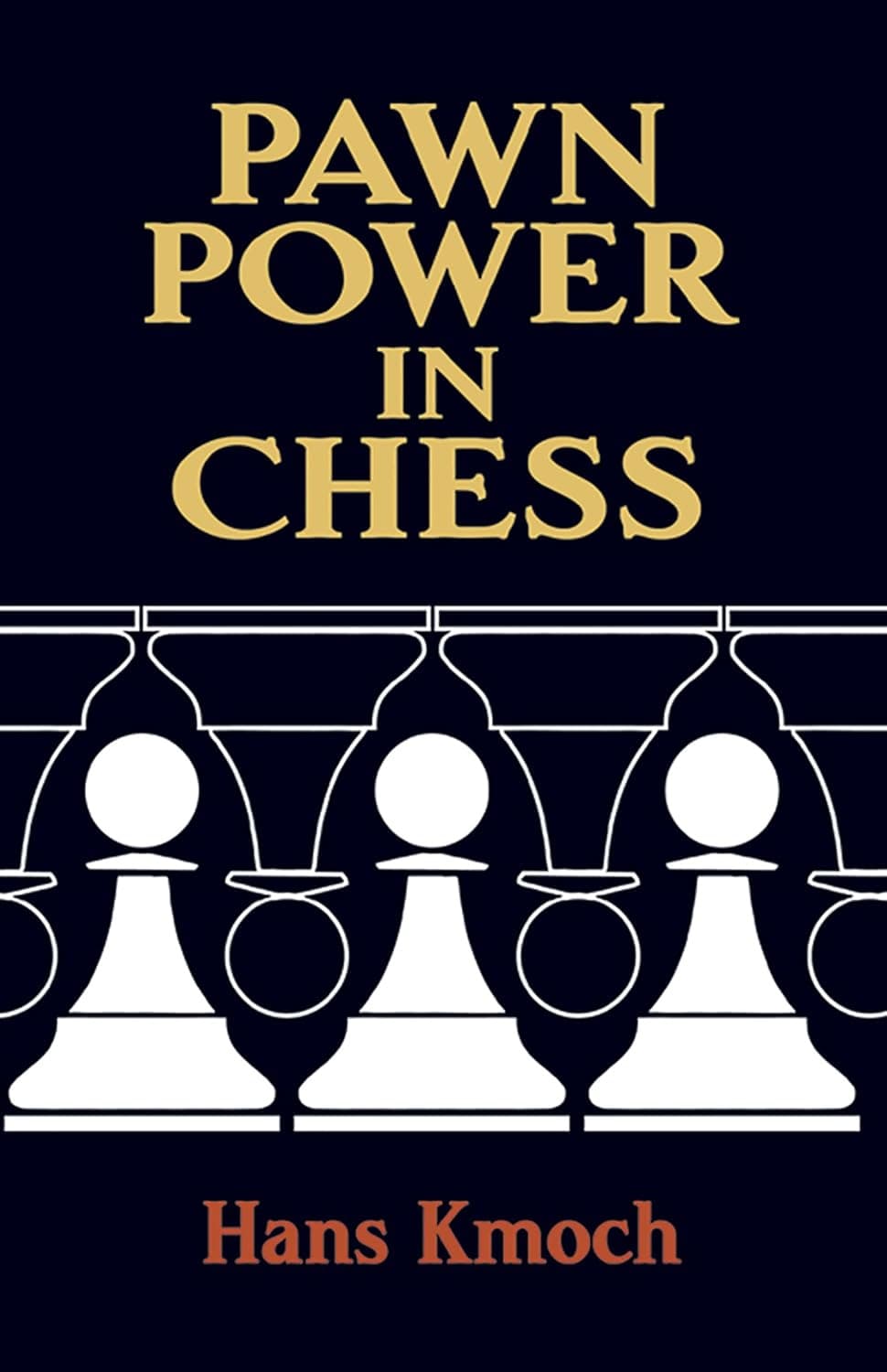
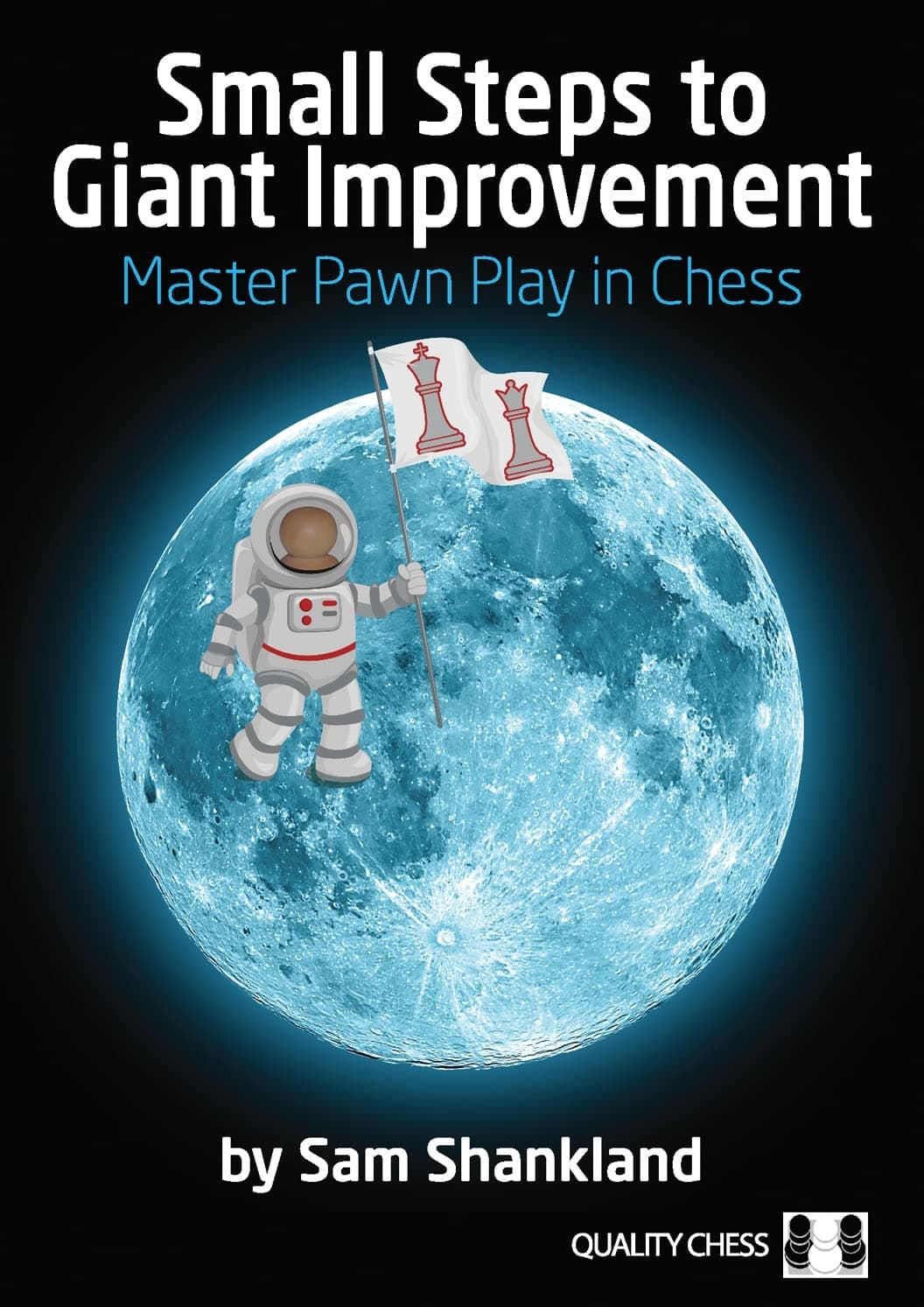
There are plenty of other books that talk about pawns more broadly, but they aren’t necessarily structured based on the openings they come from, or the most suitable plans. I think those books serve a different purpose, they are great in their own right, but sometimes they are harder to absorb, as was my experience with the book I read at 12. For your reference, here’s a set of books I find interesting, although it’s not the same book premise:
Books on General Pawn Play
What should you read?
It’s hard to make an unbiased recommendation, but based on existing reviews, I think many people would recommend Chess Structures as your best bet when it comes to learning how to formulate a plan from the pawn structure. After that, it gets tricky, but here’s a ranking of my recommendations. I think Zlotnik’s book is the second best option, Sokolov’s Winning Middlegames come next. Other books are still interesting, but sometimes small differences in execution (such as the choice of examples) makes a very big difference in the amount you can learn and various ratings reflect that.
My (biased) Ranking Of Books (left to right)
ELO: 1800–2000
8 reviews
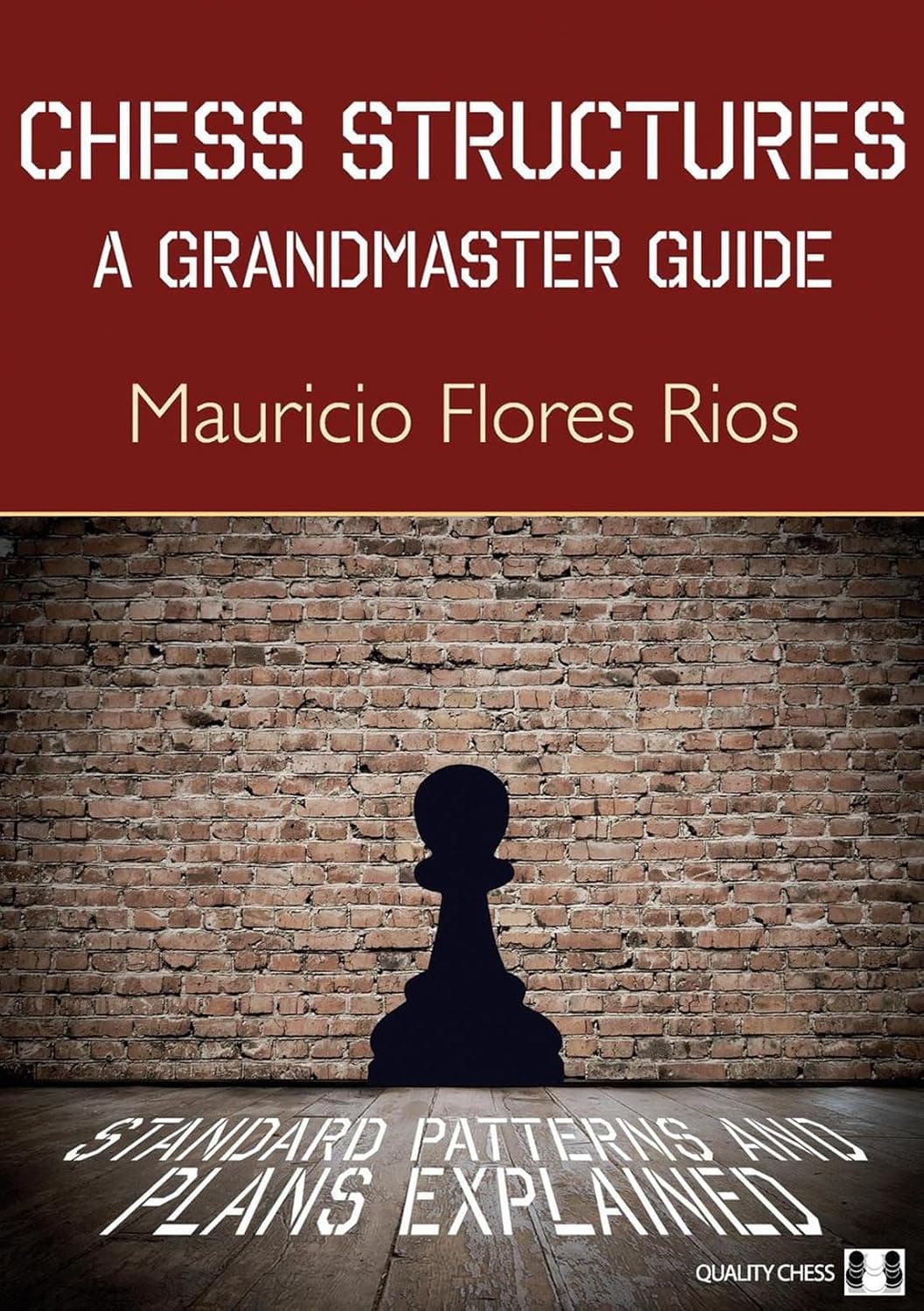
Chess Structures: A Grandmaster Guide
Mauricio Flores Rios
ELO: 1800–2000
0 reviews
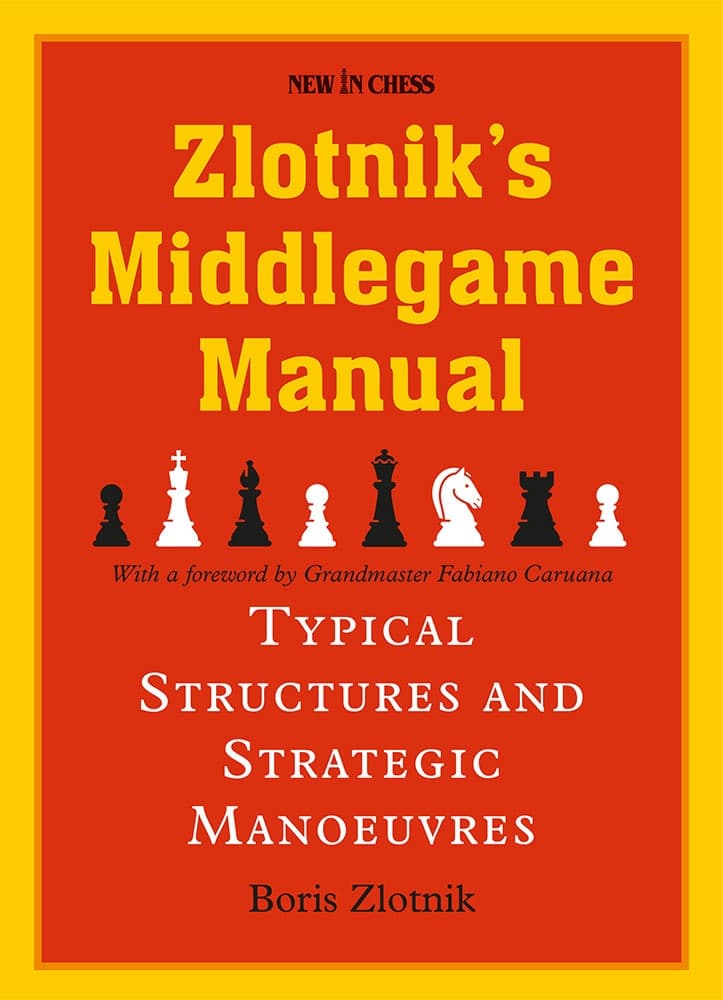
Zlotnik's Middlegame Manual
Boris Zlotnik
ELO: 1800–2000
0 reviews
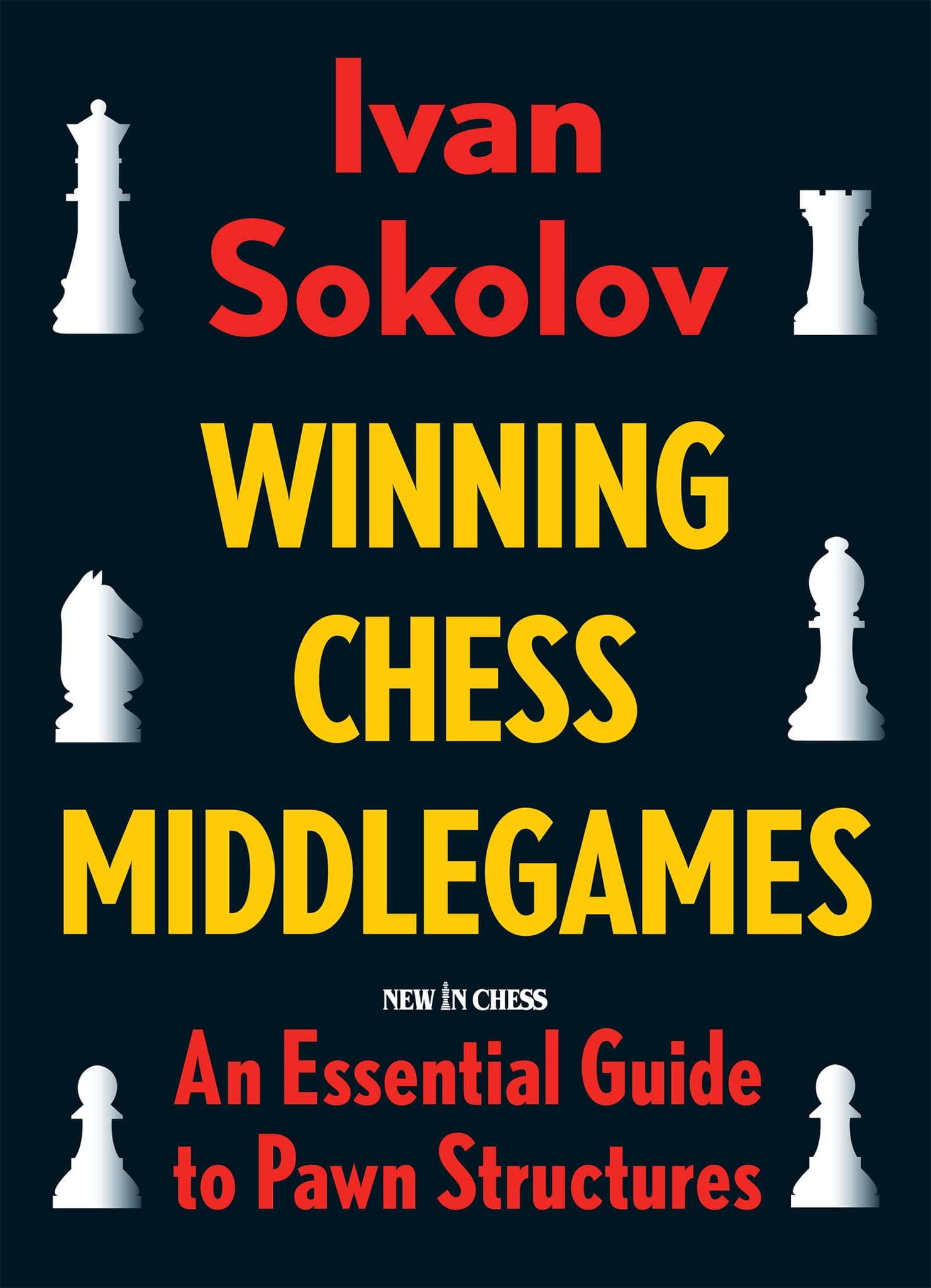
Winning Chess Middlegames
Ivan Sokolov
ELO: 1800–2000
0 reviews
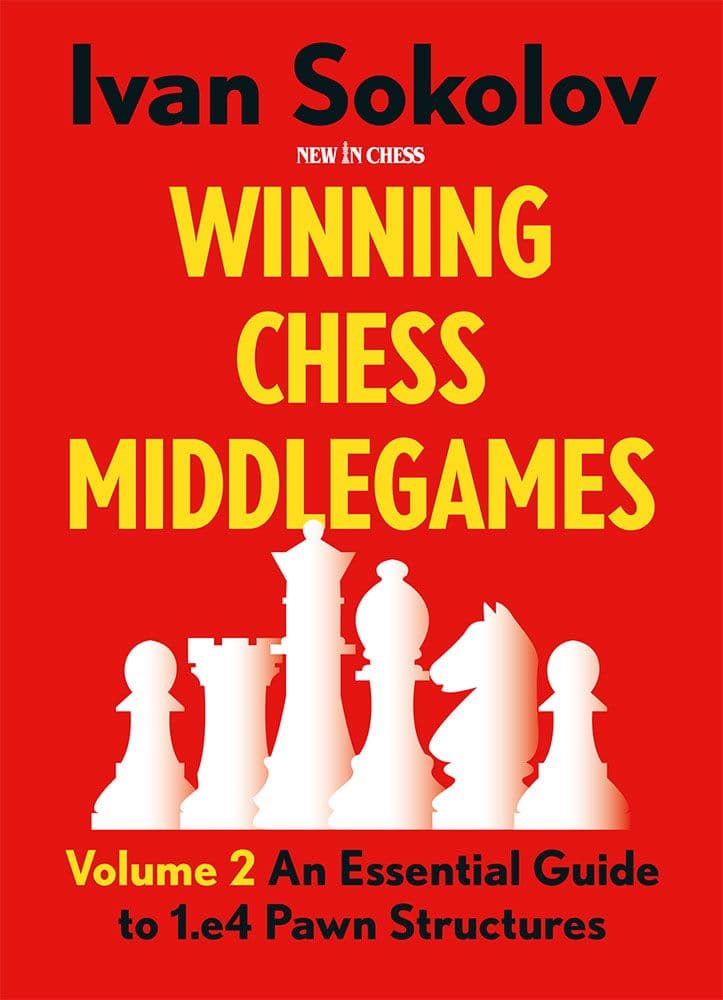
Winning Chess Middlegames - Volume 2
Ivan Sokolov
ELO: 1400–1600
0 reviews
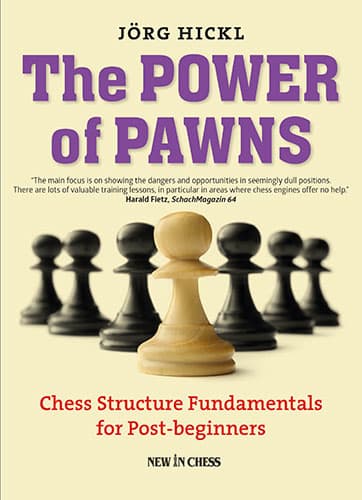
The Power of Pawns
Jörg Hickl
ELO: 1600–1800
1 review
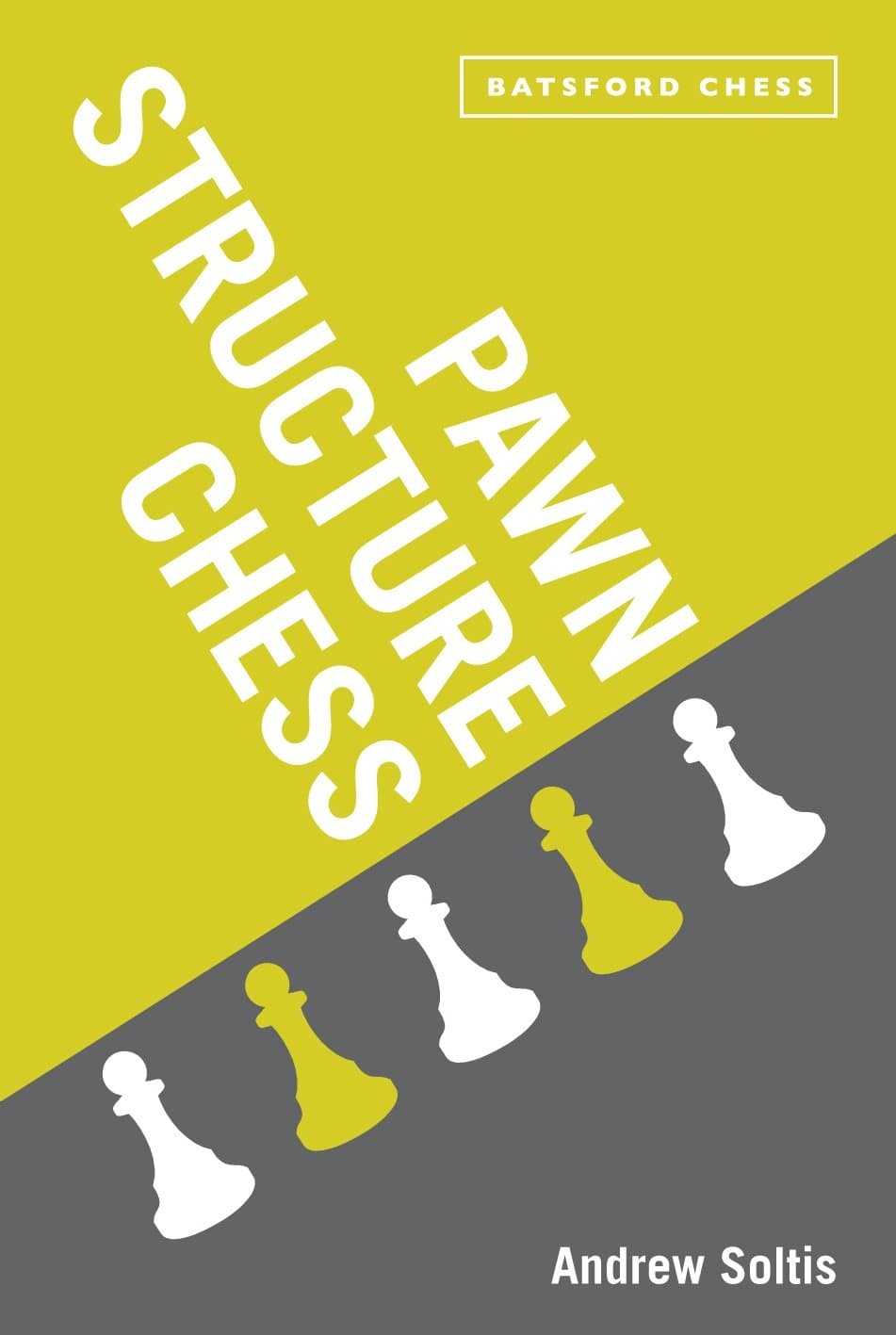
Pawn Structure Chess
Andrew Soltis
If you disagree with this rating, please submit your reviews, I'll be happy to revise it based on popular demand.