ELO: 1800–2000
0 reviews
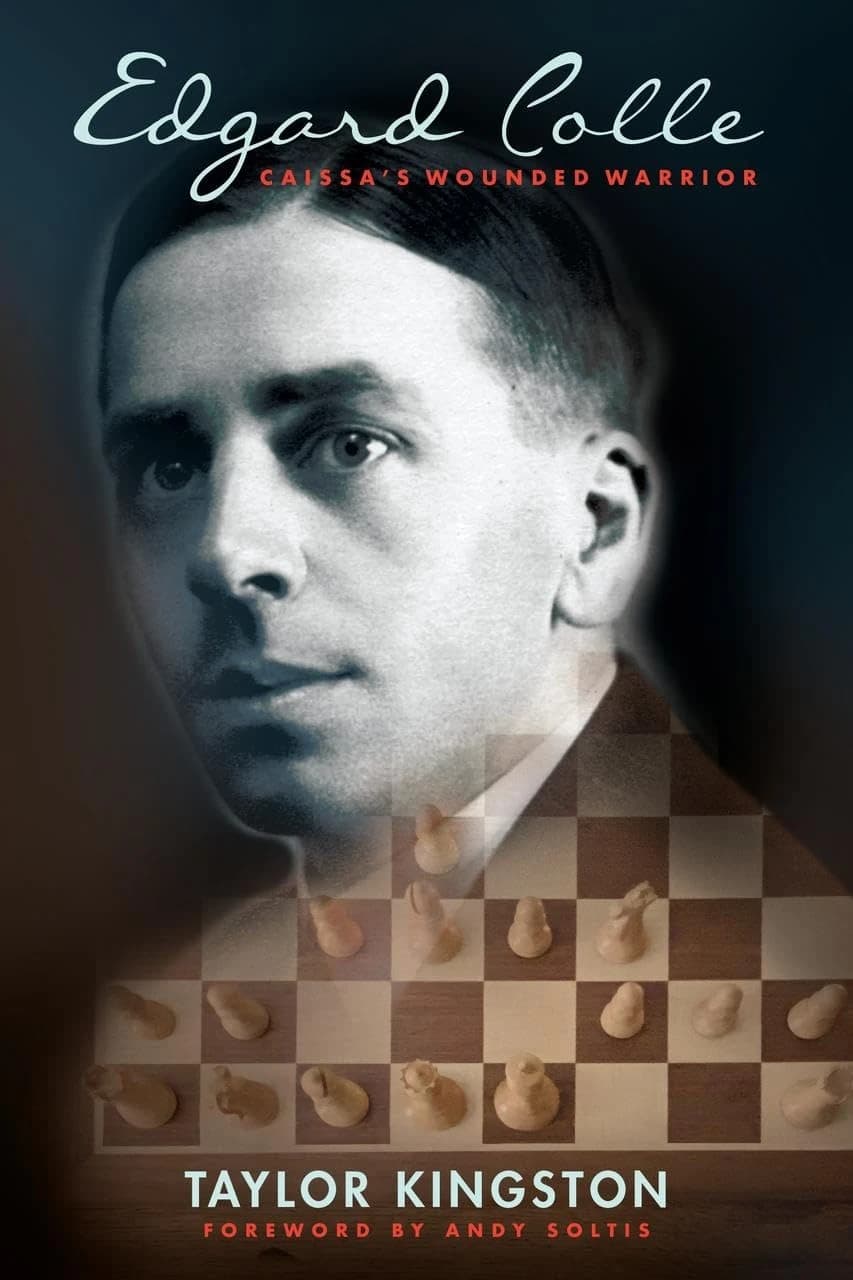
Edgard Colle – Caissa's Wounded Warrior
Taylor Kingston
Learn from the Legends is one of my favorite books of all time. For the past 10+ years, I have coached regularly, and I judge books based on their suitability for teaching. What I enjoy the most about Learn from the Legends is the fact that every chapter provides excellent material for lessons. The examples are well-selected, the annotations are highly reliable, and following the material guarantees an enjoyable learning experience for my students. The material is so good and so advanced that even a Grandmaster can learn from it.
Review by: Mauricio Flores Rios
The premise of this book is that some of the most complex subjects in chess have a world expert, someone who’s risen above all in their mastery of that subject. Marin identifies the topics, the experts; and the games they played that best demonstrate the subject at hand. For example, growing up I heard many times that Karpov was the world’s foremost expert on opposite colored bishops. So, when I finally read Learn from the Legends in 2015, I was pleased to see an entire chapter devoted to Karpov’s games with opposite bishops.
The historical figures in this book are Rubinstein, Alekhine, Botvinnik, Tal, Petrosian, Fischer, Karpov, Korchnoi and this latest edition even has a chapter on Magnus Carlsen, although brief. The topics covered are primarily selected to improve the reader’s technique. In my view, the emphasis is on positional endgame play (similar to Shereshevky’s Endgame strategy), and my favorite chapters are the bishop vs. knight battles (inspired by Fischer and Botvinnik), as well as the opposite colored bishop ending, which, honestly, had a profound effect on me, and made for a lot of very interesting lessons with my most advanced students.
Learn from the Legends won the Chess Cafe Book of the Year award in 2005, and honestly, I am not surprised. It’s extremely well written.
The book has nine chapters, each one centered on a specific hero and their specialty. For example, we learn about rook endings from Rubinstein, or opposite-colored bishops from Karpov. Here’s the table of contents:
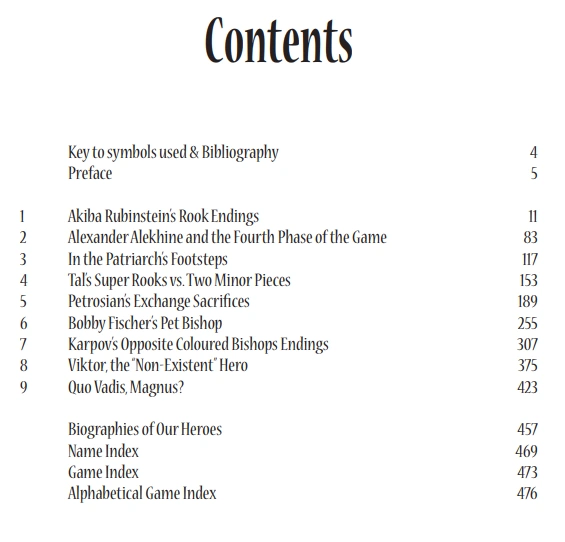
In case readers are wondering, the chapter “In the Patriarch’s Footsteps” is inspired by Botvinnik, and the topic covered is how to win with a knight against a bishop, although many of the examples are by other players (such as a famous Kasparov - Karpov game).
To see a sample position from the book, let’s look at the following positional exercise:
I really enjoyed the annotations for this book. I feel they address the most natural questions I may ask when reading the book. Sometimes the annotations are a bit heavy, even for a GM reading them, but I always felt the variations were “well justified”, meaning: Marin doesn’t waste space showing variations that aren’t actually important to further the reader’s understanding.
I think the main target audience for this book is players with a FIDE rating above 1800. Having said that, I think Marin does a great job explaining core ideas and providing insight instead of variations when possible. The fact that the content is presented well, in my opinion, extends the rating range of the book, to include lower rated players who can still benefit a lot from this book.
This is not a casual or fun read. This is a book you read when you actually want to improve. For this reason, I would strongly recommend reading this with a chessboard and spend at least 10 minutes per page. Although the chapters are fairly independent from one another, I think the content is so applicable that readers would benefit the most from reading every chapter, rather than trying to pick a couple chapters they think are most relevant to their own needs.
Strongly recommended for players who want to improve, as well as coaches who want high-quality teaching material they can count on.
Exceptional book with very useful and interesting chapters.
The content is high quality and very instructive. Probably better suited for intermediate or advanced players.
No questions yet! Be first to
by Mauricio Flores Rios
ELO: 1800–2000
0 reviews
Taylor Kingston
ELO: 1800–2000
0 reviews
Alexander Alekhine
ELO: 1600–1800
0 reviews
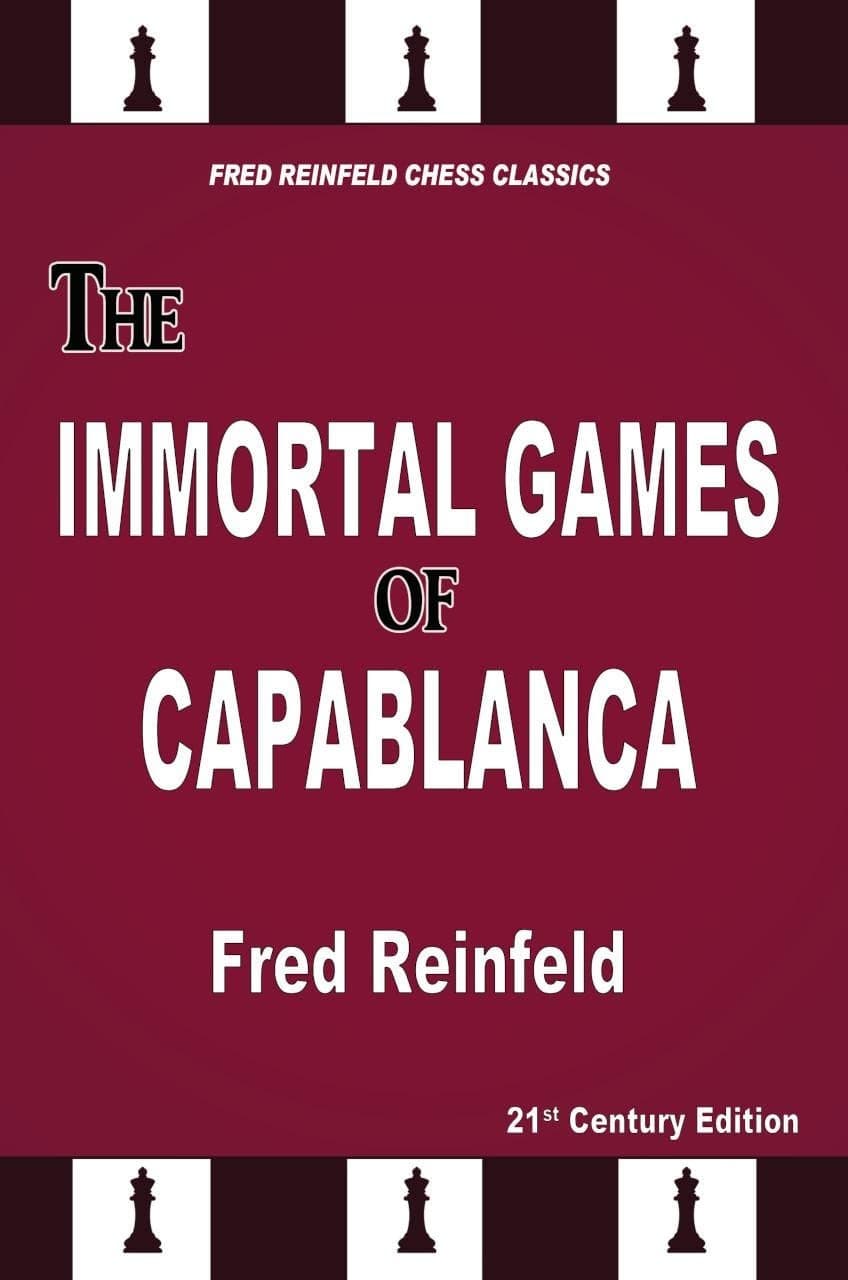
Fred Reinfeld
ELO: 1800–2000
1 review
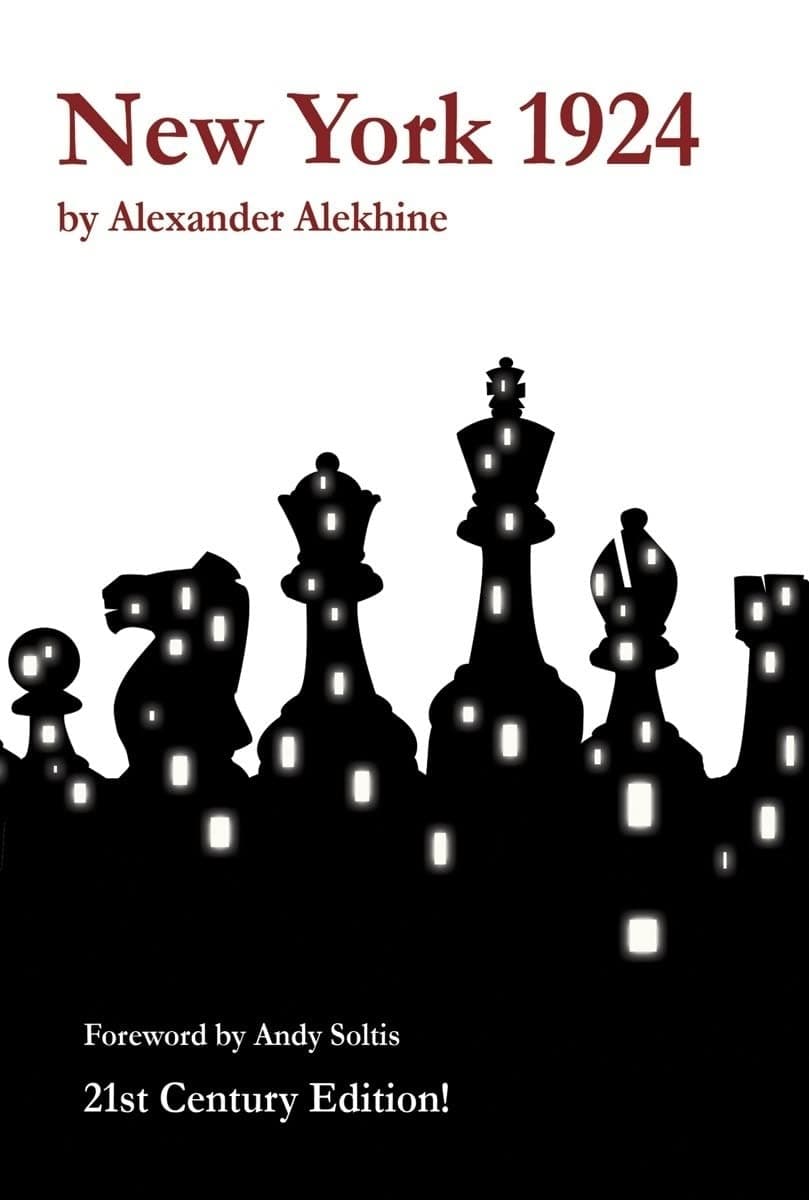
Alexander Alekhine
ELO: 1600–1800
0 reviews
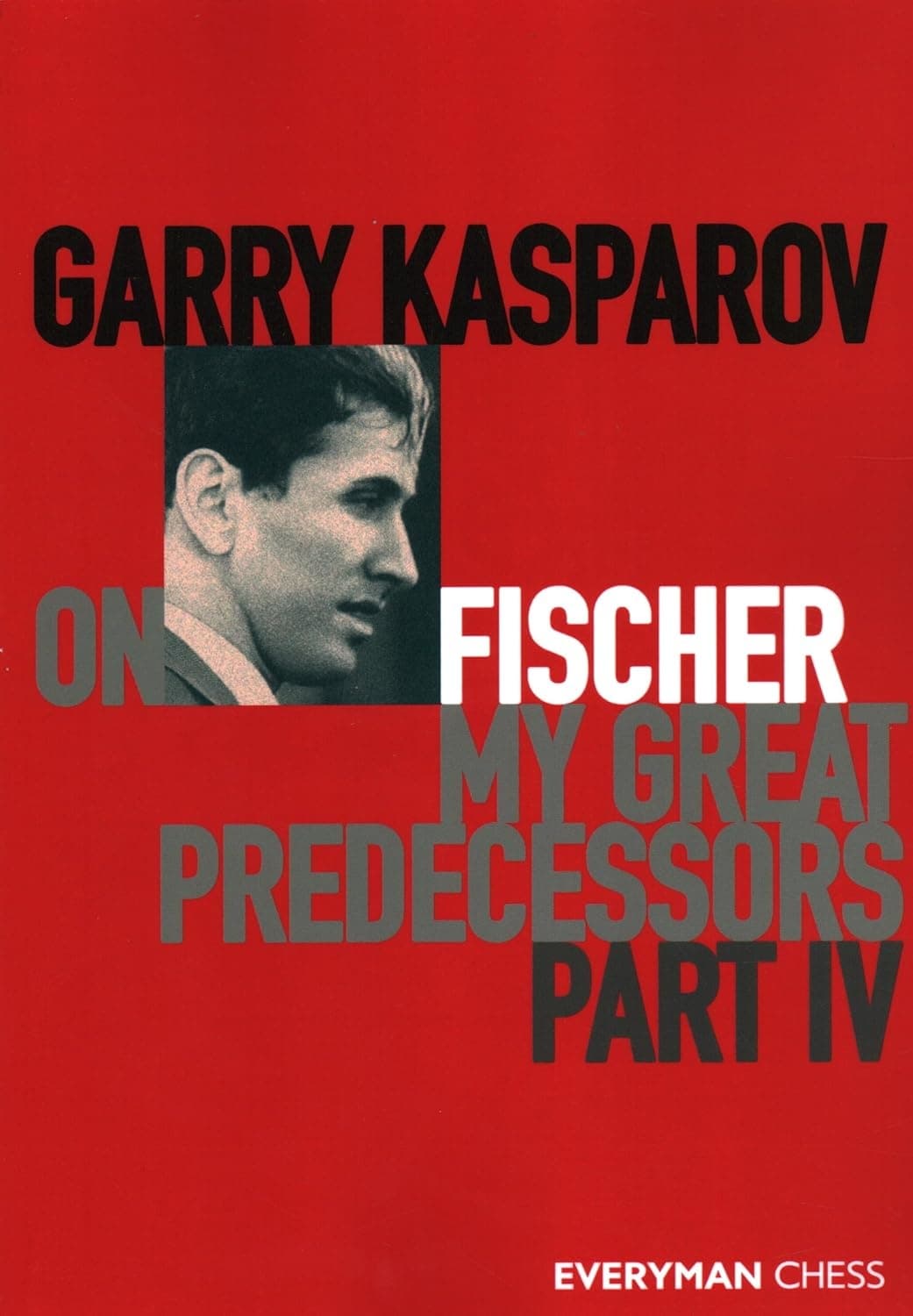
Garry Kasparov
ELO: 1800–2000
1 review
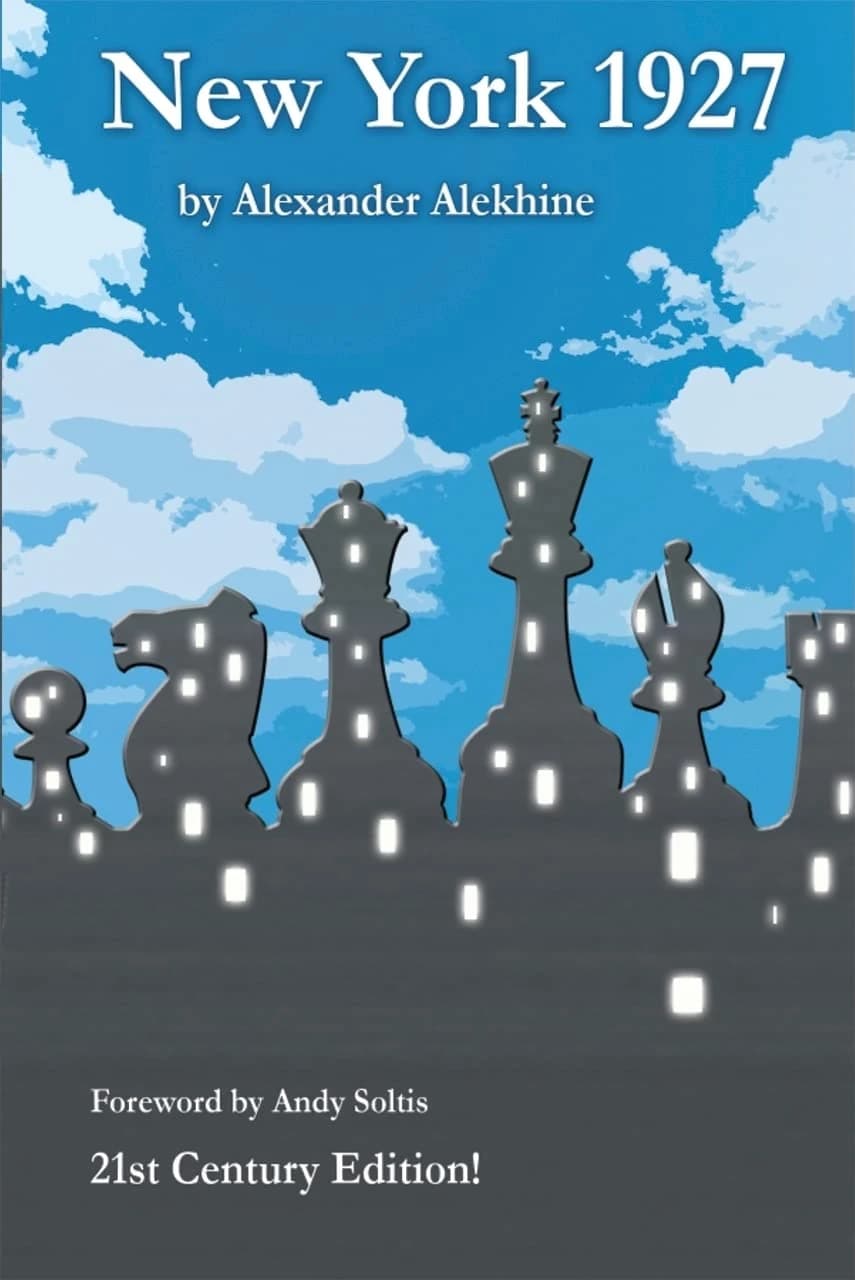
Alexander Alekhine
ELO: 1800–2000
0 reviews

Sofia Polgar
ELO: 1800–2000
0 reviews

Mihail Marin