ELO: 1800–2200+
0 reviews
Mastering basic rook endgames
Adrian Mikhalchishin
Silman's Complete Endgame Course is a book that tries to bring endgame knowledge to the reader in a new and revolutionary way. It doesn't contain chapters about pawn endgames, rook endgames, and other themes, but is divided into eight sections according to the reader’s overall chess strength. In each section the reader can find certain endgames which the author thinks are appropriate for the level. As you progress through the book, the author slowly takes you to more complex endgames using the Flowchart method. While this is not the only endgame book you will ever need, it is definitely the one that should find its place on the shelves of every home chess library.
Review by: Vlatko Lovrinić
There is a very well known chess saying: If you want to get better at chess, study endgames. I guess it is even more true in the era of modern chess where the games are never adjourned and endgames are very often played in time trouble or with little time on the clock. And yet, many chess players find working on the endgames very boring or simply navigate very hard or very slowly through the majority of endgame books.
Silman's Complete Endgame Course is a book that indeed tries to bring endgame knowledge to the reader in a new and revolutionary way. It doesn't contain chapters about pawn endgames, rook endgames etc. The book is divided into eight parts or sections according to the player's overall chess strength. In each section the reader can find certain endgames which the author thinks are appropriate for the level. One could argue that such layout is quite subjective, but I personally think that most of the endgame themes are correctly placed where they belong. The book literally starts with how to mate the lone king with the rook and the queen.
In the sections you can find basic theoretical endgames, but there are also general endgame themes which is also something I really like a lot about this book. Theoretical endgames are very clearly and well explained with a lot of side variations and useful advice in order to fully understand positions in question. There is also the 9th and final part of the book in which you can find endgames of some of the best endgame players in chess history (Lasker, Rubenstein, Capablanca, Smyslov, Fischer).
As you progress through the book, the author slowly takes you to more complex endgames using the Flowchart method. The method solves and analyses seemingly difficult positions by using your previous basic endgame knowledge. I find this approach very useful and it also gives you the opportunity to recap the material that was covered earlier in the book.
To conclude, this is an amazing endgame book. Players of very different chess strength can heavily benefit from reading and learning its content. Total beginners, amateur players, club players and even stronger players like CMs and FMs will all find interesting material in the book. It is very clearly organized, so you can both, easily skip sections and end endgames you already know, and stay away from endgame themes that may seem too difficult for your level for the time being. While this is not the only endgame book you will ever need, it is definitely the one that should find its place on the shelves of every home chess library.
Great book. But unsufficient. It’s great to learn « algorithm » endgames, but doesn’t teach much about strategy. I’m 1900 fide and the « master » and « for fun » sections felt a little too basic for me. 5/5 for quality, but other ressources are required to get a basic understanding of endgames as a whole. Which is, I believe, the aim of Silman readers.
Very useful and entertaining and helped my endgame by a lot
This is an excellent introduction to theoretical endgames for a beginner to intermediate player. The chapters are organized by rating band, with each chapter covering the technical endgames that a play in each rating should be able to study and master. Silman focuses on theoretical endgames that are likely to actually occur in games. Famously, this book does not cover mating with a bishop and knight because it isn't commonly seen in games.
Silman's explanations are clear. He helpfully put important tips and principles to remember callout boxes, and each chapter is summarized with a list of principles to remember.
In my view, this book is probably the best introductory text for players learning the foundations of theoretical endgames.
While not as advanced for the stronger players as books like 100 endgames or dvoretsky's, it is the absolute best way to approach and understand endgames up until 2000. The themes are clear and easy to practice, and the practical approach is much easier to play out than the normal theoretical ones.
“Silman's Complete Endgame Course: From Beginner to Master” by IM Jeremy Silman is the only endgame book that most chess players will ever need. The book is brilliantly organized by player ratings and teaches you the must know theoretical endgames for each section. The only criticism that I have ever heard about the book was that it does not include B+N checkmate vs a lone king. Why? Let me quote Silman:
"I heretically decided not to include Bishop and Knight vs. Lone King because it's far from easy to master, and it occurs very rarely in over-the -board play. In fact, I only got it once in my entire career, while IM John Watson and IM John Donaldson never got it at all! Is such a rarity really worth the two or three hours it would take to learn it? I say no."
Here is another quote from Andrew Soltis:
"The Estimated Odds of Your: Playing Out K+B+N vs K This Year: 1 in 3,000."
I see Silman's book as everyone's first endgame book. If your endgame ambition grows then I would suggest “Capablanca's Best Chess Endings” by Irving Chernev (1400-1500 elo). From there its “Endgame Strategy” by Mikhail Shereshevsky at (1700-1800 elo) and “100 Endgame You Must Know” by Jesus de la Villa. Just my 2 cents.
I loved how this book was broken up to make things easier for the reader based on what they would really need to know at a given level. I took the book’s suggestion of going one level above my own to just push myself a bit but stopped after that, with a plan to revisit once I hit that range.
The chapters I covered were great, easy to understand endgame material that I feel like made me far more comfortable in those situations now when I play. I didn’t fully appreciate the power of the king until I read this book, extremely insightful for a new player especially
No questions yet! Be first to
by the chess nerd
by ChessGoals
ELO: 1800–2200+
0 reviews
Adrian Mikhalchishin
ELO: 1800–2200+
0 reviews
Adrian Mikhalchishin
ELO: 1800–2200+
0 reviews
Csaba Balogh, Adrian Mikhalchishin
ELO: 1800–2200+
0 reviews
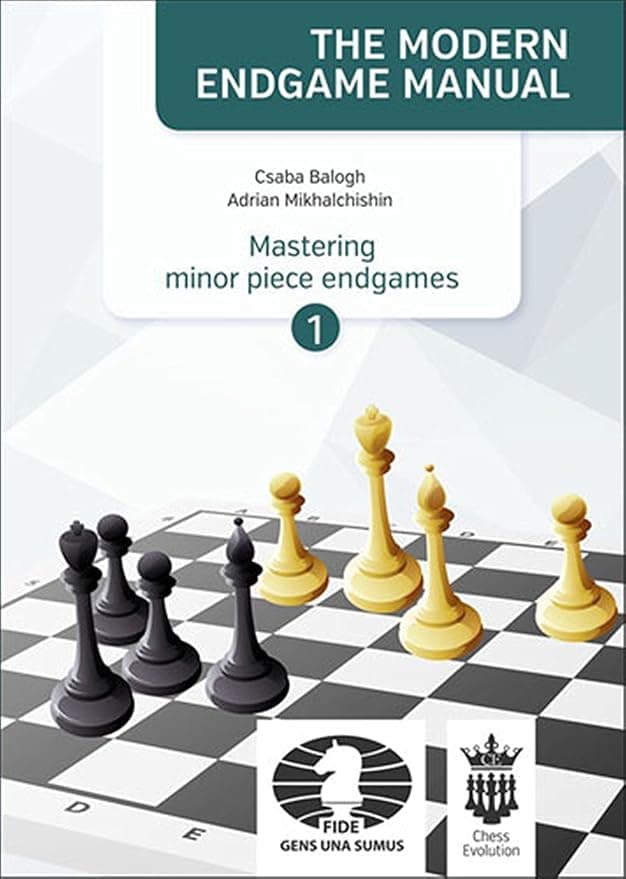
Csaba Balogh, Adrian Mikhalchishin
ELO: 1900–2200+
0 reviews
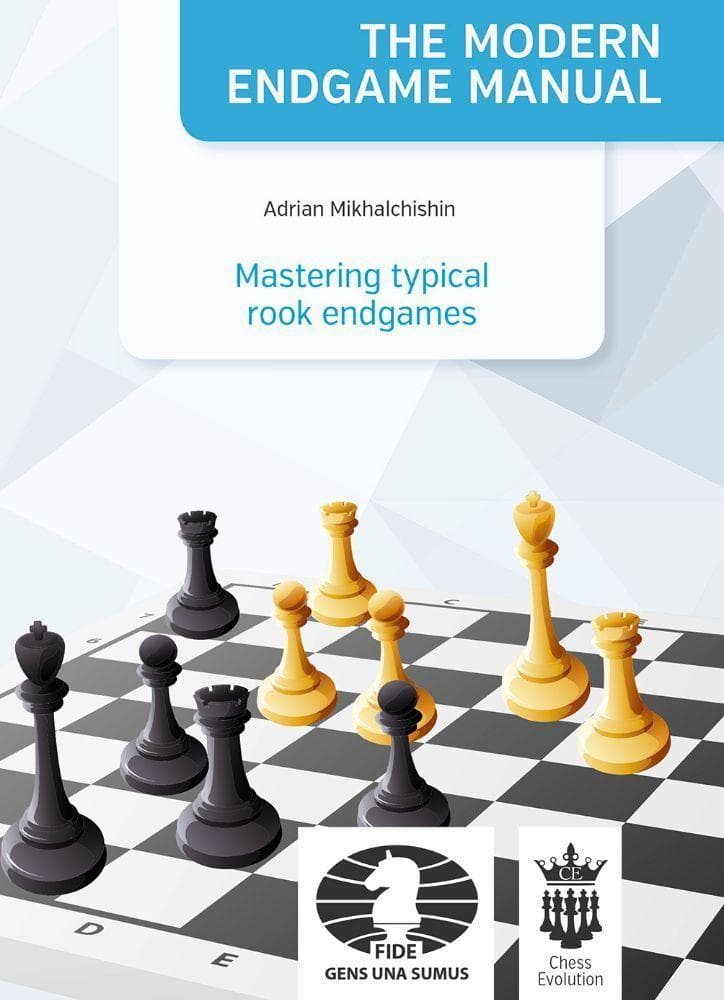
Adrian Mikhalchishin
ELO: 1900–2200+
0 reviews
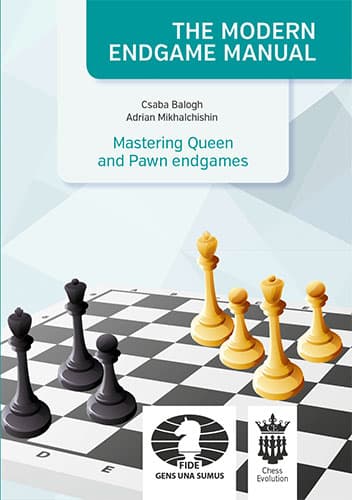
Csaba Balogh, Adrian Mikhalchishin
ELO: 1900–2200+
0 reviews
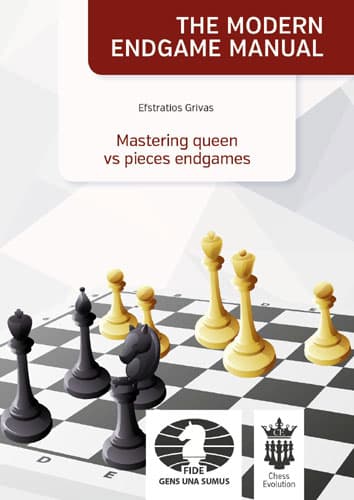
Efstratios Grivas
ELO: 1900–2200+
0 reviews
Efstratios Grivas