ELO: 1900–2200+
0 reviews
Yakov Vilner, First Ukrainian Chess Champion and First USSR Chess Composition Champion: A World Champion's Favorite Composers
Sergei Tkachenko

Georgiev wrote an almost perfect guide on how to deal with four very annoying openings most 1.d4 players dread facing: the Benko, the Budapest, the Albin, and the Blumenfeld. Instead of going over tens of lines that are unlikely to ever happen over the board, giving engine sidelines and weird ideas hard for humans to understand, Georgiev gives applicable strategic tools you can use even if your opponent deviates from book moves.
Review by: Stjepan Tomić
This is the most useful opening book I’ve ever read. Georgiev wrote an almost perfect guide on how to deal with four very annoying openings most 1.d4 players dread facing: the Benko, the Budapest, the Albin, and the Blumenfeld. The only reason I say almost perfect is because I find some lines he recommends uncomfortable for white compared to viable alternatives.
Squeezing the Gambits was written in 2010, so all lines are engine approved, and, considering that the openings it covers are relatively rare on Grandmaster level, all lines remain very relevant today. I read it in segments, while preparing for specific opponents, which is how I read all opening books. I usually find them tedious, boring, and I feel that spending days to read an opening book is almost useless unless you get to apply the knowledge immediately. I was preparing for an opponent who plays the Budapest Gambit during the Bošnjaci Open 2025 when I first started reading Georgiev’s book.
I was immediately pleasantly surprised. Instead of going over tens of lines that are unlikely to ever happen over the board, giving engine sidelines and weird ideas hard for humans to understand, Georgiev gives applicable strategic tools you can use even if your opponent deviates from book moves. That was clear in the first five minutes. I found myself reading the parts on common tactical motifs, common sources of counterplay for black, how and where to maneuver the pieces depending on what black does instead of actually preparing for the game! Don’t get me wrong, that is wonderful. Except when you do it two hours before a tournament game.
A week ago I started preparing for the Pula Open, which starts in a few weeks, and I’d decided that my repertoire against the Benko is flawed too. In fact, I keep struggling against most rare variations and gambits. I picked up Squeezing the Gambits again. The first and biggest part of the book covers the Benko and how to play against it. I think I must have learned more from the first 20 pages of the book than from all my research into the Benko over the years. Georgiev recommends the Benko Gambit Declined, focusing on preventing black’s counterplay first. The lines are positional and much easier to play compared to fully accepted lines I had been used to. After a day of study, it felt like my Anti-Benko repertoire was complete. At least I feel like I could play it even out of book because of how well the book helped me understand the ideas behind it.
The way the concepts, ideas, strategy, structures, attacking possibilities and possible sources of counterplay are explained is, as far as I know, unique in the world of boring opening books. Georgiev emphasizes understanding over theory. Lines seldom go more than 15 moves deep, and each move is explained so that a five year-old could understand it easily.
Each section of the book is accompanied with points to remember, and each section covers a logical segment of the variation, a branching that can be explained separately and its ideas are unique. That helps the reader a lot. Instead of having to follow complicated labyrinths of variations, you go through each segment without ever feeling lost or even having to use a board to go through all the lines. That makes the reading very enjoyable and effortless.
The book is just short of 200 pages, which is relatively short for an opening book, but more than enough to cover 4 gambits in tremendous detail. If you play d4, read it. If you don’t play d4, read it, you may want to start to.
This how an opening book should be written, period!
No questions yet! Be first to
ELO: 1900–2200+
0 reviews
Sergei Tkachenko
ELO: 1900–2200+
0 reviews
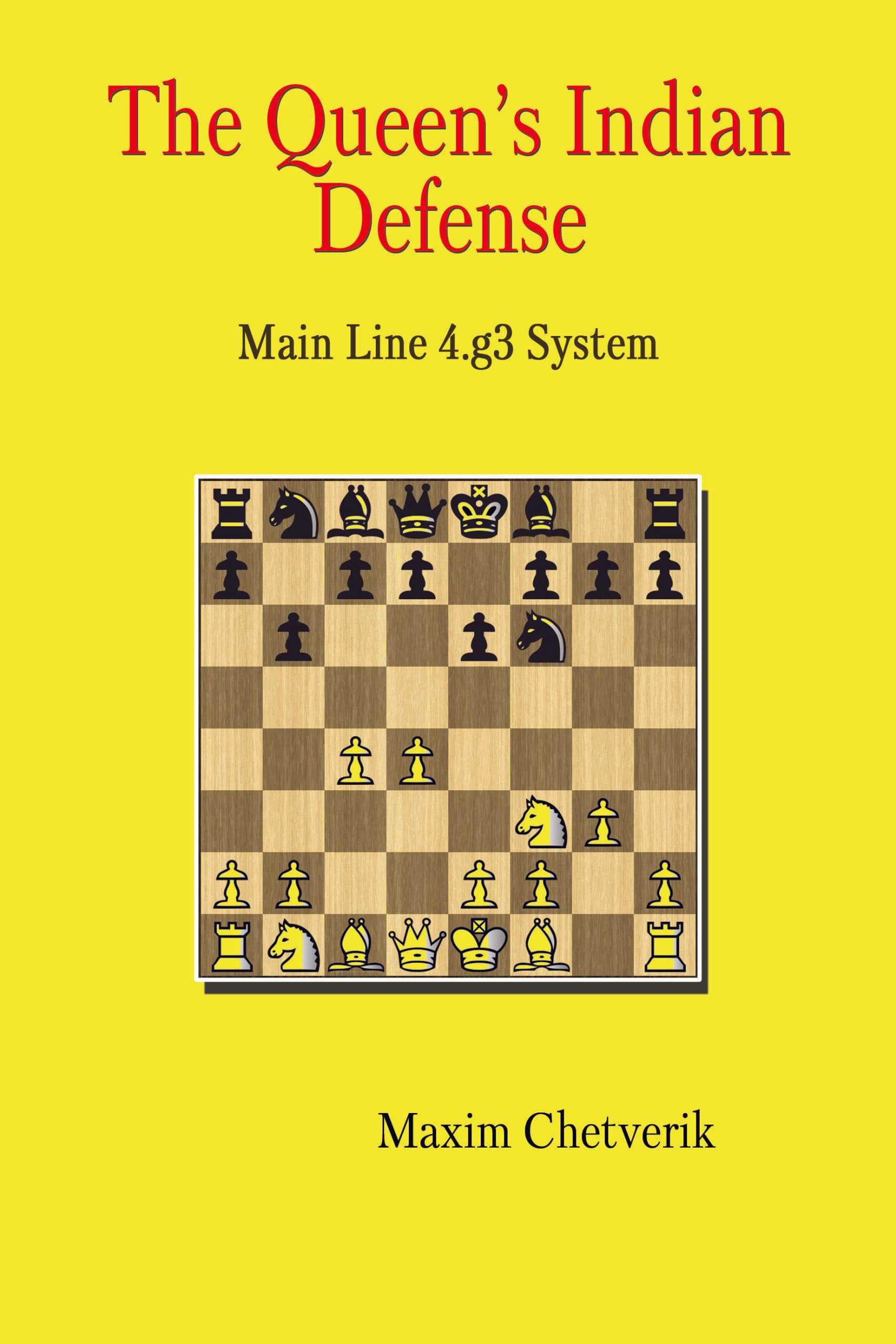
Maxim Chetverik
ELO: 1900–2200+
0 reviews

Tibor Karolyi
ELO: 1400–1900
0 reviews
Andy Mack
ELO: 1400–1900
0 reviews

Luis Scalise
ELO: 1900–2200+
0 reviews
Jakov Geller
ELO: 1900–2200+
0 reviews
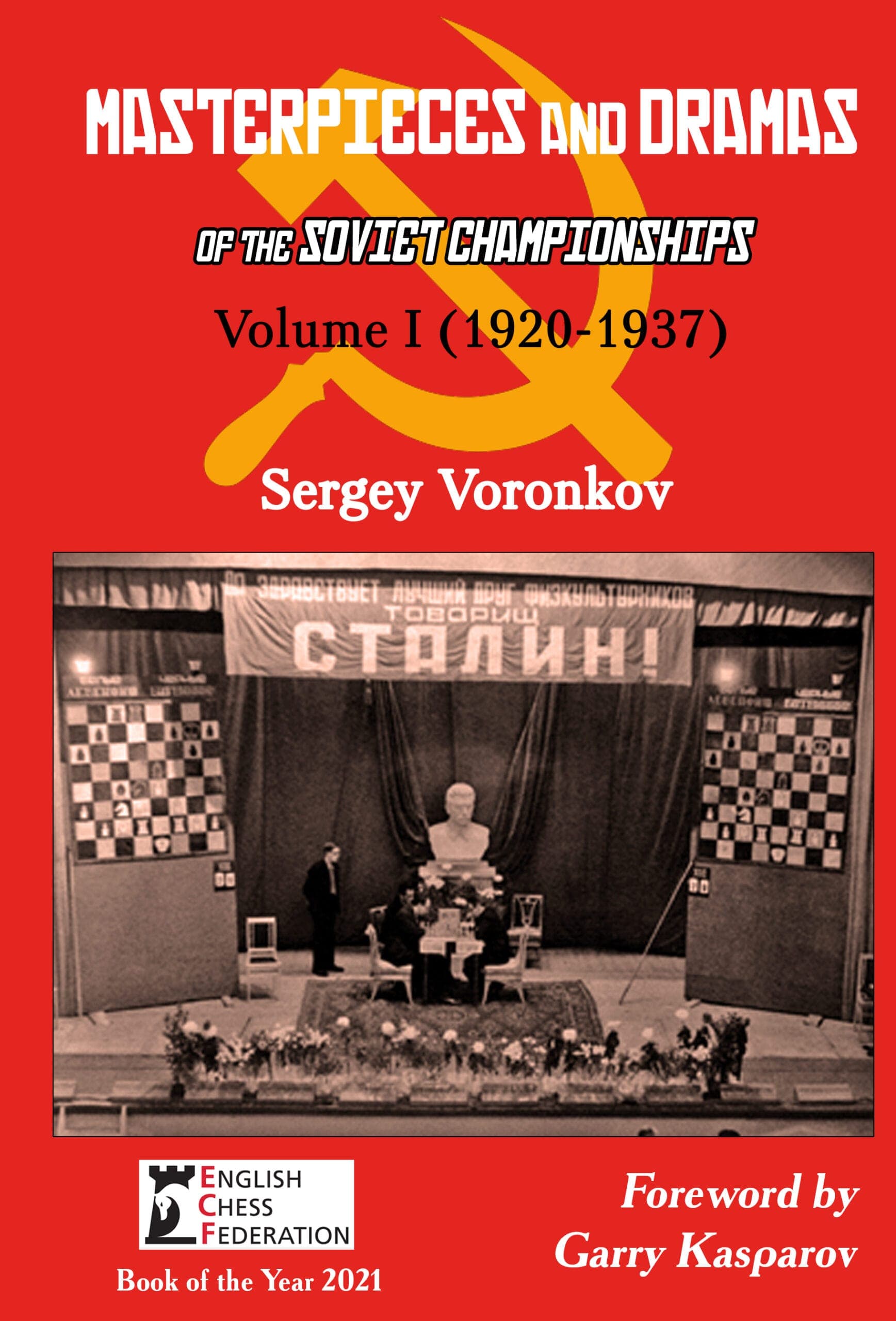
Sergey Voronkov
ELO: 1900–2200+
0 reviews
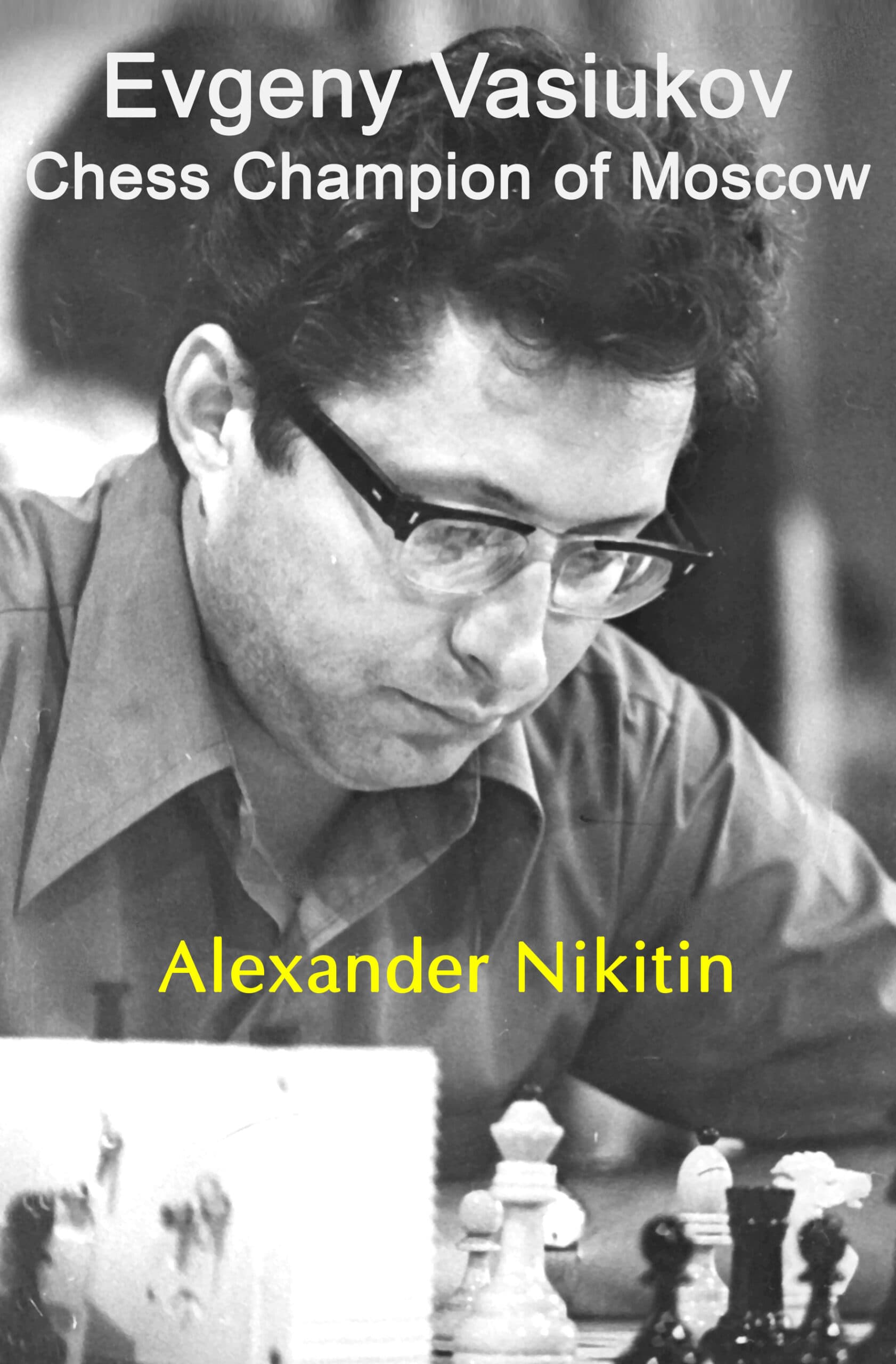
Alexander Nikitin