ELO: 2000–2200+
0 reviews
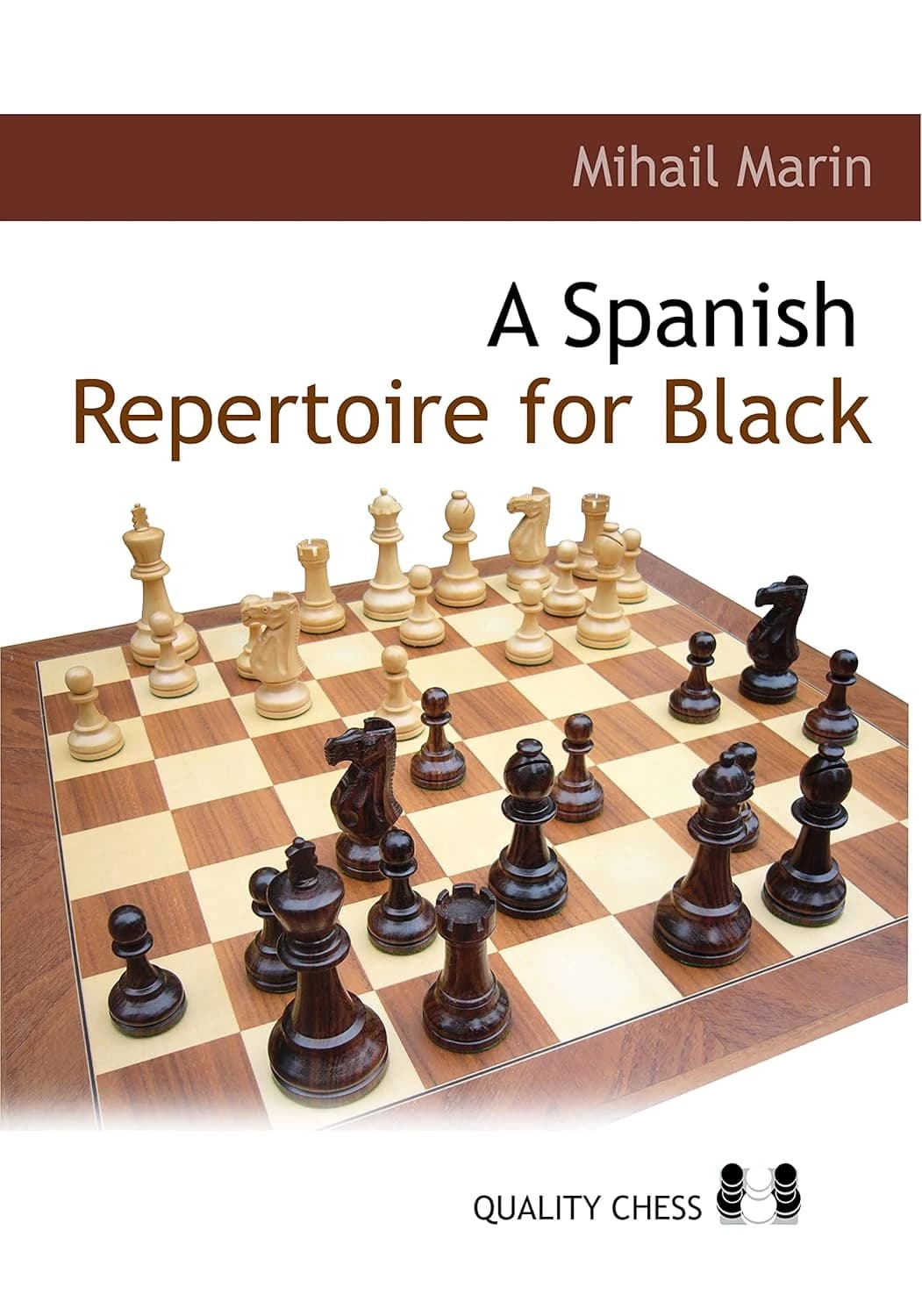
A Spanish Repertoire for Black
Mihail Marin
I started reading this book when I was preparing the Spanish series of videos . I wanted to start by reading an introduction to the opening. I was left disappointed. The book doesn’t explain strategy, nor does it cover patterns and ideas. It barely covers theory. Each chapter and each variation is given a brief introduction which is followed by several annotated games. Should you read Starting Out: The Ruy Lopez? Honestly, no. There are far better books that explain the basics of the Spanish. And, furthermore, you don’t need a book that covers every line briefly and poorly, you need to select what you are going to play within the Ruy Lopez complex and get books specifically on those openings.
Review by: Stjepan Tomić
I started reading this book when I was preparing the Spanish series of videos. I wanted to start by reading an introduction to the opening. I was left disappointed. The book doesn’t explain strategy, nor does it cover patterns and ideas. It barely covers theory. Each chapter and each variation is given a brief introduction which is followed by several annotated games. Shaw says in the introduction that the book is “...intended as an introduction to the plans and ideas in the Ruy Lopez rather than a high level theoretical manual.” I don’t think he delivered. How can one explain the basics of the Berlin, for example, on a single page? His introduction goes as deep as Qxd8 in the Berlin endgame, and he explains the basic moves, but almost no attention is given to Berlin sidelines, to structures, attacking or defensive patterns.

This book came out in 2003 so it’s natural that many of the modern lines played in the Ruy Lopez today, more than 20 years ago, are missing. The book was written by John Shaw, an experienced Scottish GM, who has written other books, including his excellent King’s Gambit book published in 2013 by Quality Chess.
White has developed a powerful initiative on the kingside. What's the right way to continue?
Wanna solve more positional problems and get instant feedback just like you would during a lesson with a real chess coach? Continue training!
Starting Out The Ruy Lopez is divided into five chapters; Third move options for black, Fourth move options, Fifth and sixth move options, Marshall and rare Closed Spanish lines, and the Closed Spanish. Such a structure makes sense in my opinion. In total, the book is 140 pages long. Imagining that it could even scratch the surface of the Ruy Lopez is wild. Each chapter is divided by variations.
The first one, on third moves for black, covers the Berlin, the Schliemann, and the rare defenses. Among the rare defenses, Shaw briefly covers the Cozio, the Fianchetto, the Classical, the Bird, and the Steinitz, pretty much everything.
The second chapter is devoted to the Exchange and what Shaw calls Ba4 sidelines where he covers the Modern Steinitz.
The third focuses on the Arkhangelsk and several sidelines, including the Worrall Attack, and the Delayed exchange. He doesn’t cover 5.d3 or 5.Nc3 at all.
Chapter four covers the Marshall, Anti-Marshall, and rare Closed Ruy lines. One of these is the Yates variation, which is an important deviation when white plays d4 instead of h3. For some reason the Karpov Closed Ruy is also in this chapter (Nd7).
The final chapter, and the main part of the book is incomplete. Shaw covers the Chigorin (Na5), the Breyer (Nb8), the Zaitsev (Bb7), and the Smyslov (h6). He doesn’t cover 9…Re8 or 9…Be6, the Kholmov.
Each chapter begins with a very brief introduction and then moves to a few poorly annotated games.
It’s for white, but it covers white’s deviations from the main line as well as blacks, so it can be best described as an overview of the entire Spanish.
Honestly, no. There are far better books that explain the basics of the Spanish. And, furthermore, you don’t need a book that covers every line briefly and poorly, you need to select what you are going to play within the Ruy Lopez complex and get books specifically on those openings.
ELO: 2000–2200+
0 reviews
Mihail Marin
ELO: 2000–2200+
0 reviews
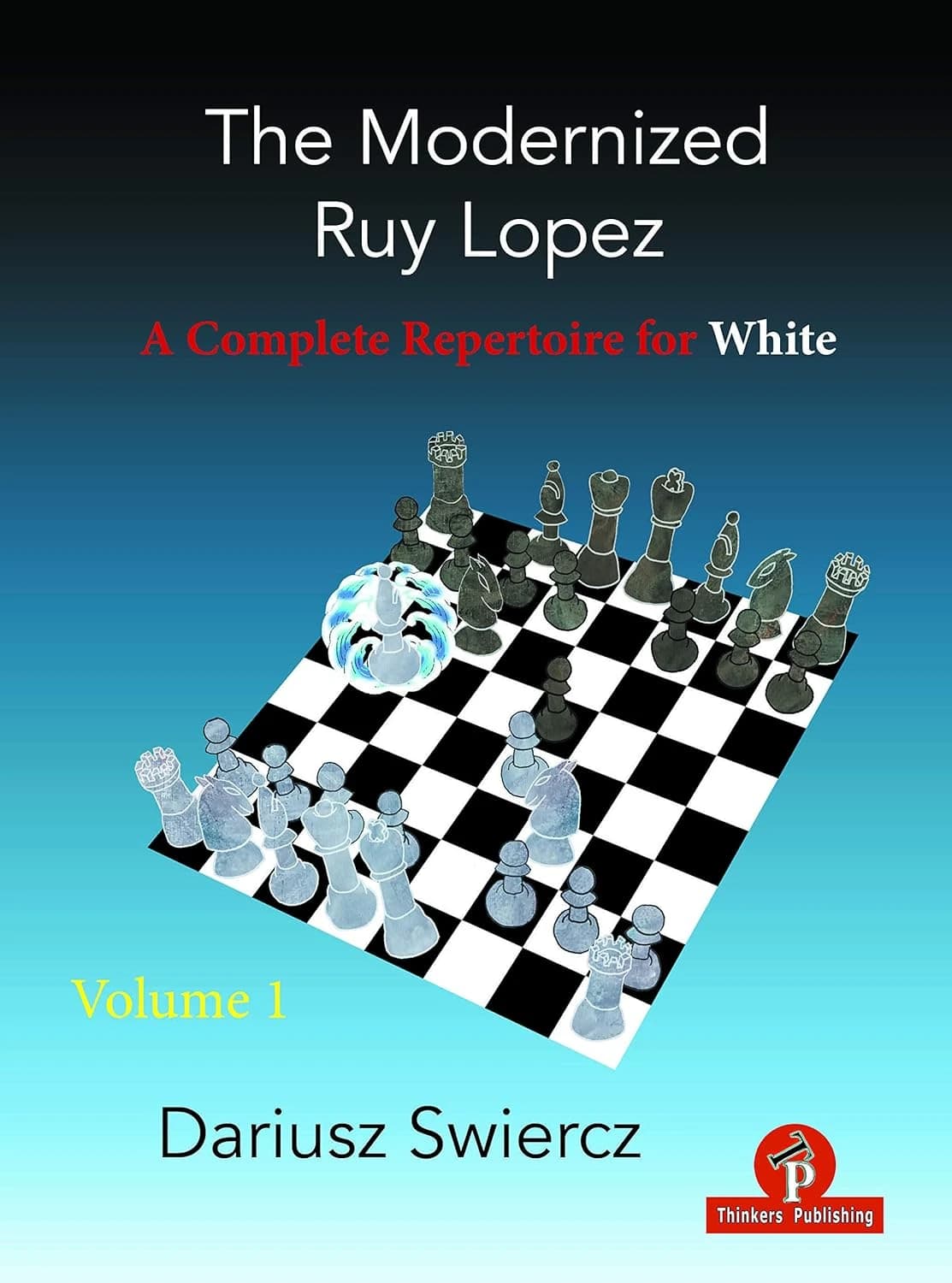
Dariusz Świercz
ELO: 1600–2000
0 reviews
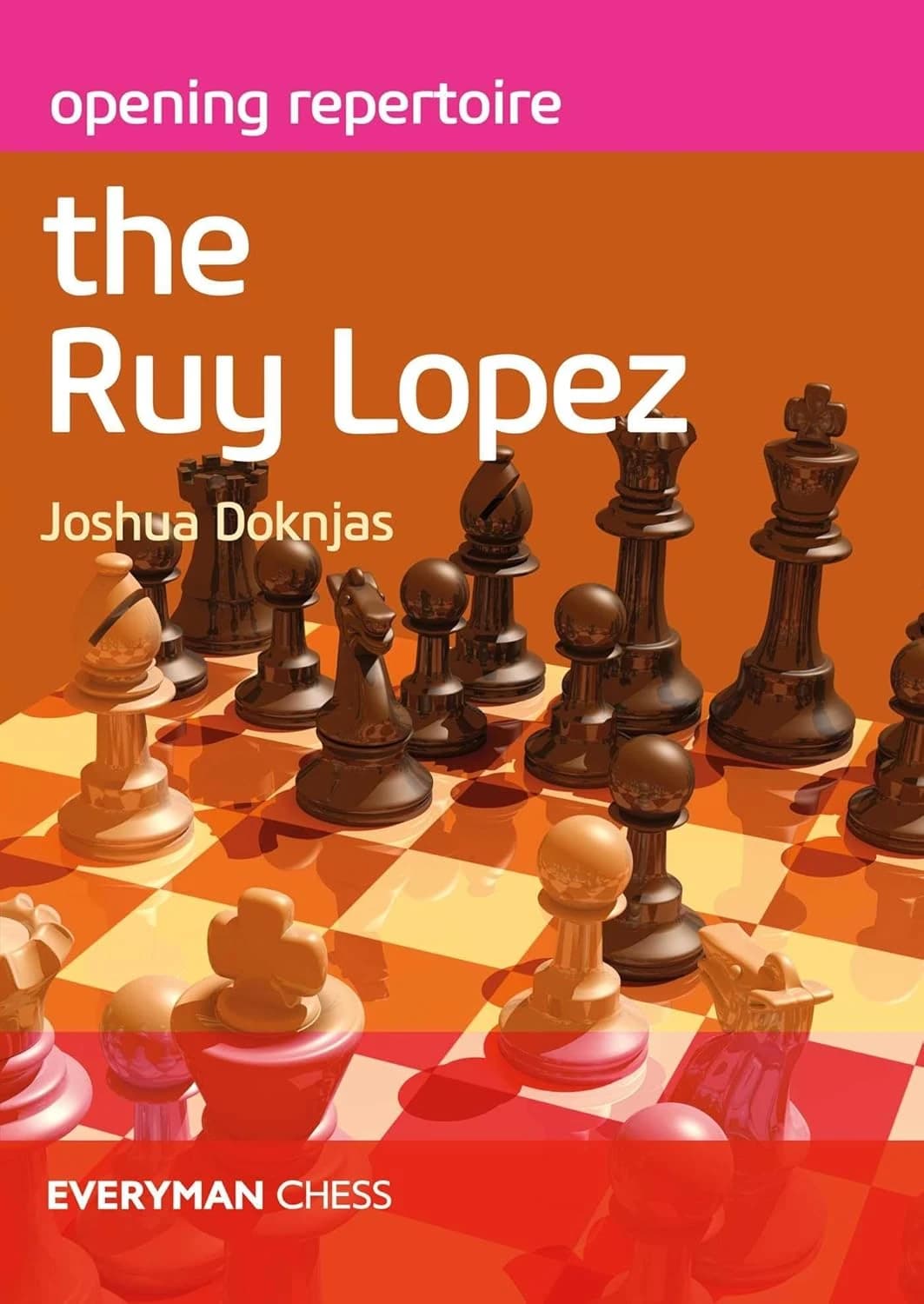
Joshua Doknjas
ELO: 1800–2200
0 reviews
Victor Bologan
No reviews yet! Be first to
No questions yet! Be first to
ELO: 1900–2200+
0 reviews
Sergei Tkachenko
ELO: 1900–2200+
0 reviews
Maxim Chetverik
ELO: 1900–2200+
0 reviews
Tibor Karolyi
ELO: 1400–1900
0 reviews
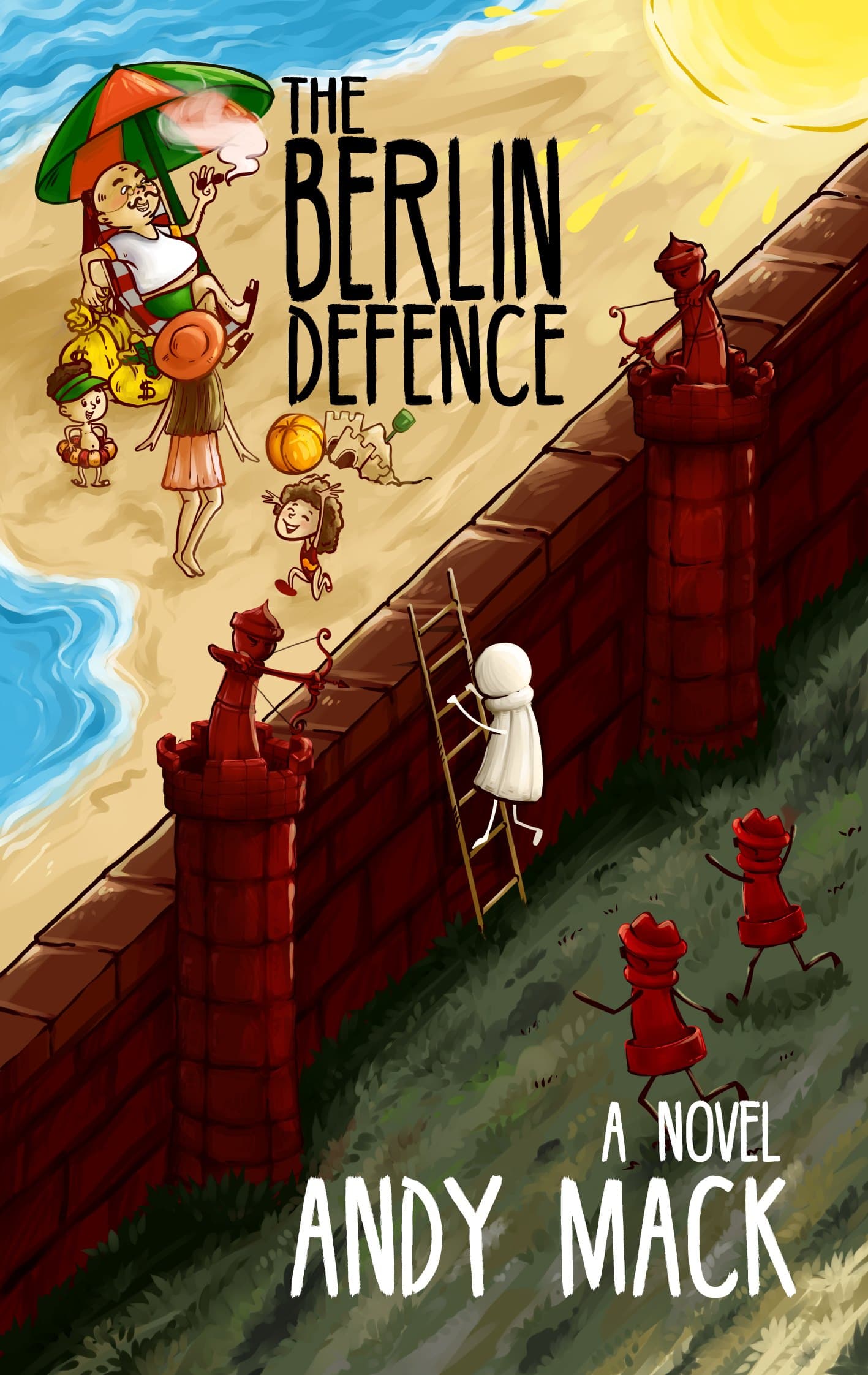
Andy Mack
ELO: 1400–1900
0 reviews

Luis Scalise
ELO: 1900–2200+
0 reviews
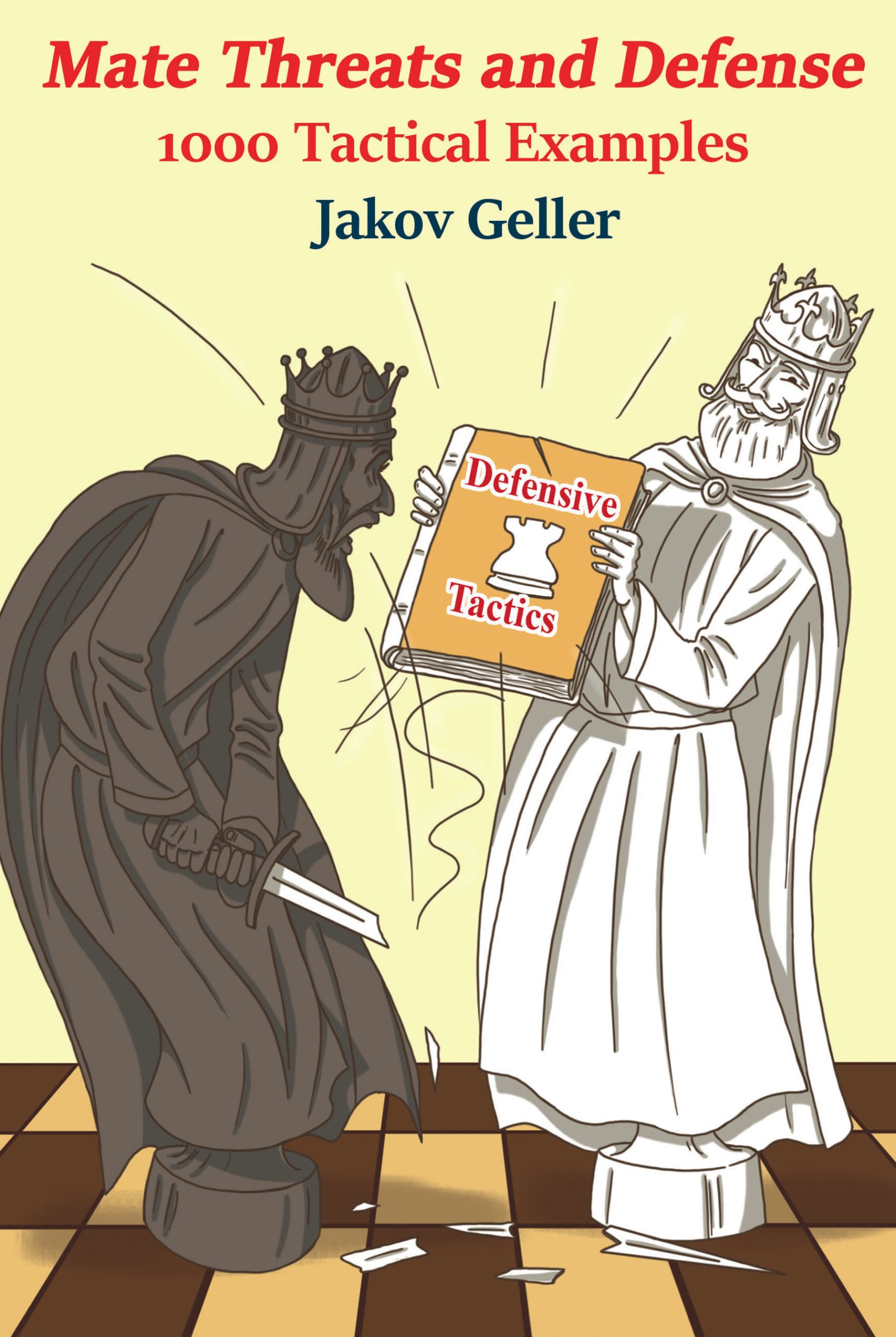
Jakov Geller
ELO: 1900–2200+
0 reviews
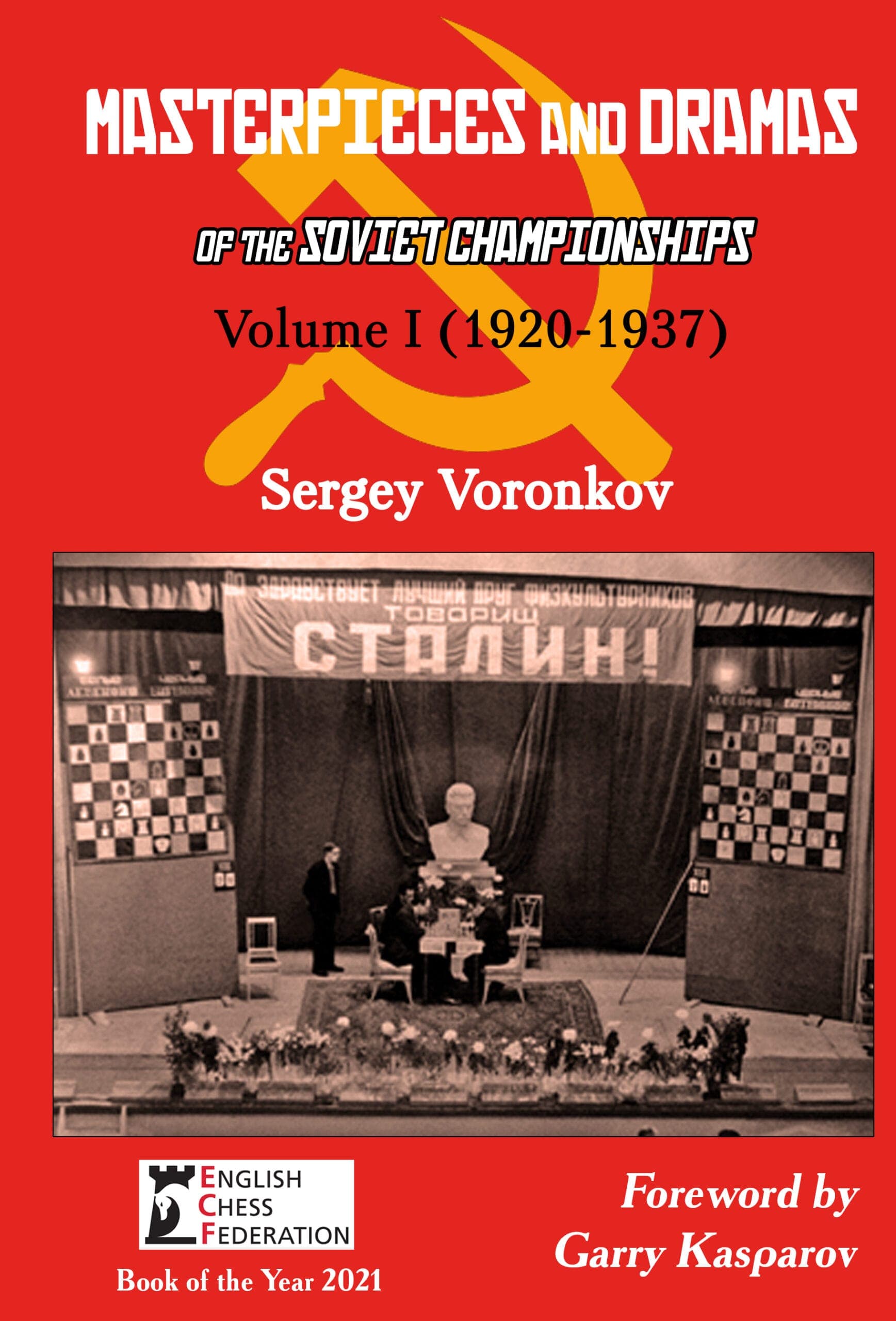
Sergey Voronkov
ELO: 1900–2200+
0 reviews
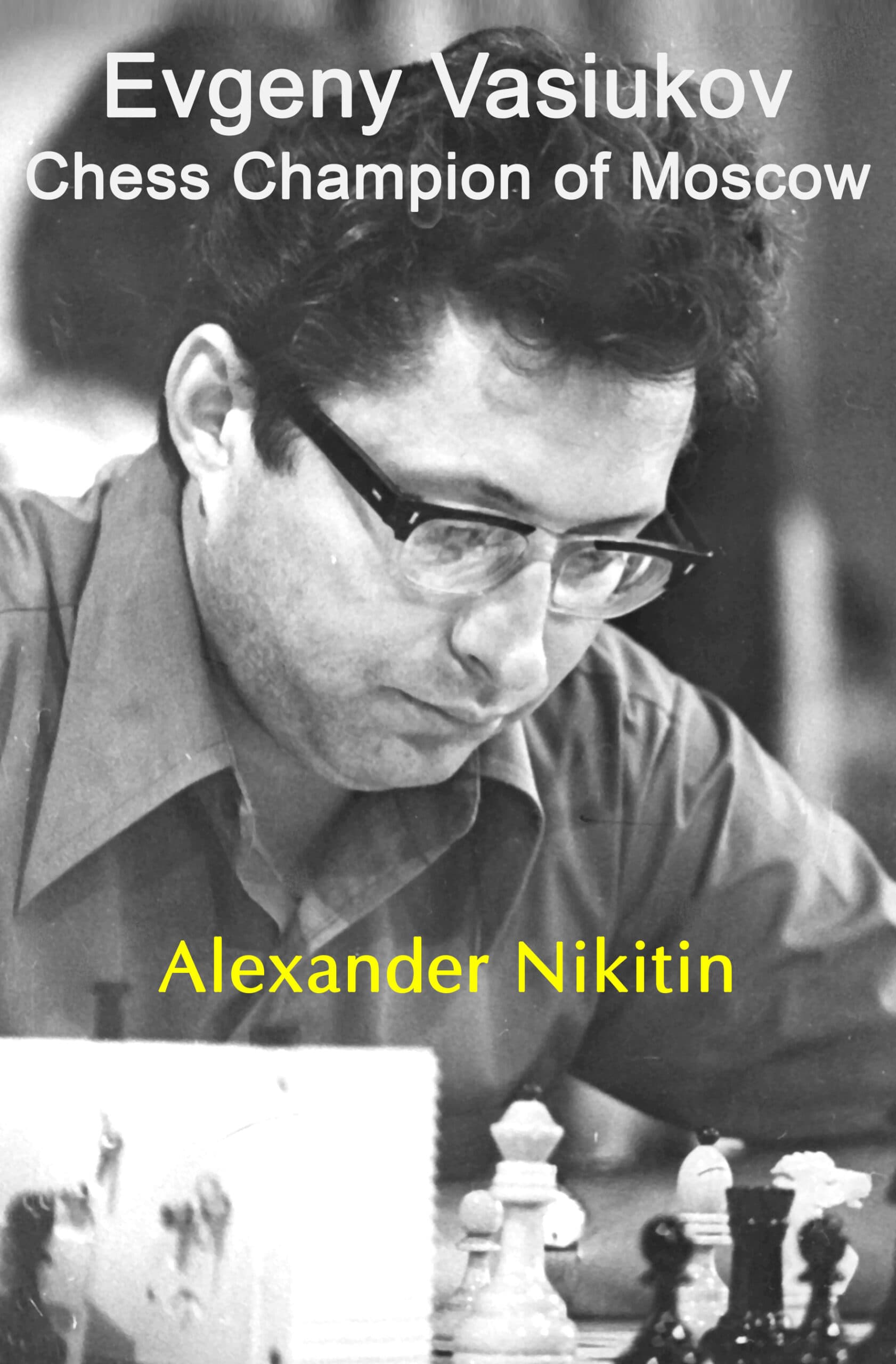
Alexander Nikitin