I share a list of every book I read (good and bad ones) before becoming a chess Grandmaster.
Author: Mauricio Flores RIos
I started playing chess in 2001 when I was 10, and became serious almost immediately. Back then, I had no internet, cable or video games, so reading chess books was literally the most entertaining thing I could do all afternoon after I got home from school. Because of that, I read lots of books early on. In this article, I share these books with you, and tell you which ones you cannot miss.
Books To Start Out
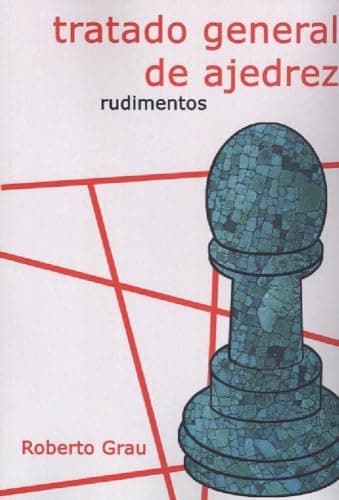
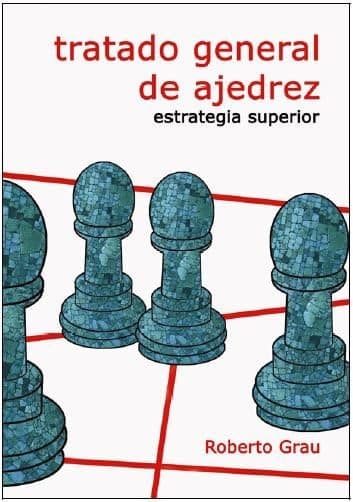
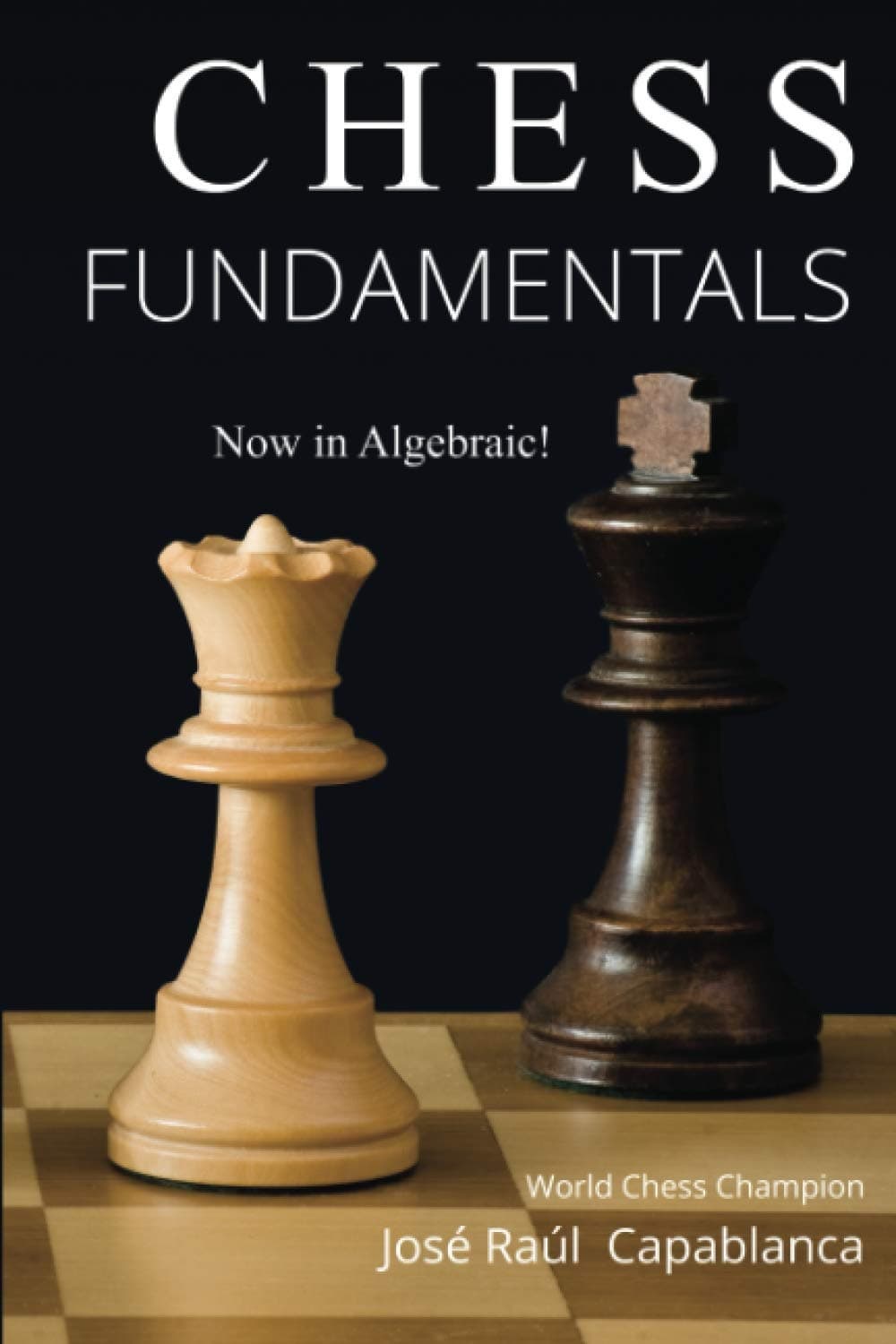
My first book was Lasker's Chess Manual, it's a decent book for beginners, but I wouldn't necessarily recommend it. I'm sure there's other books that cover the same ground with higher-quality writing, perhaps Chess Fundamentals is a good replacement. Once I was done with Lasker's book, came Tratado General de Ajedrez: Rudimentos, from which I only read the "100 instructive games" section, which was a section of romantic-era games (like Legal's Mate). This section was extremely helpful to improve my tactical vision, and I'd recommend everyone to read something similar early on.
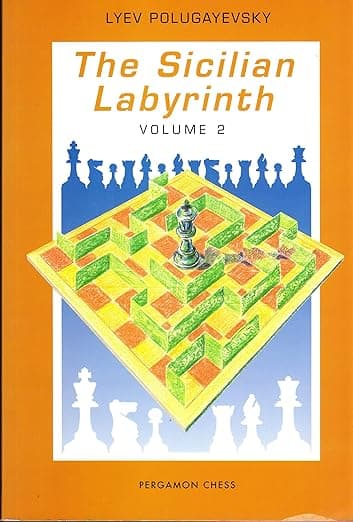
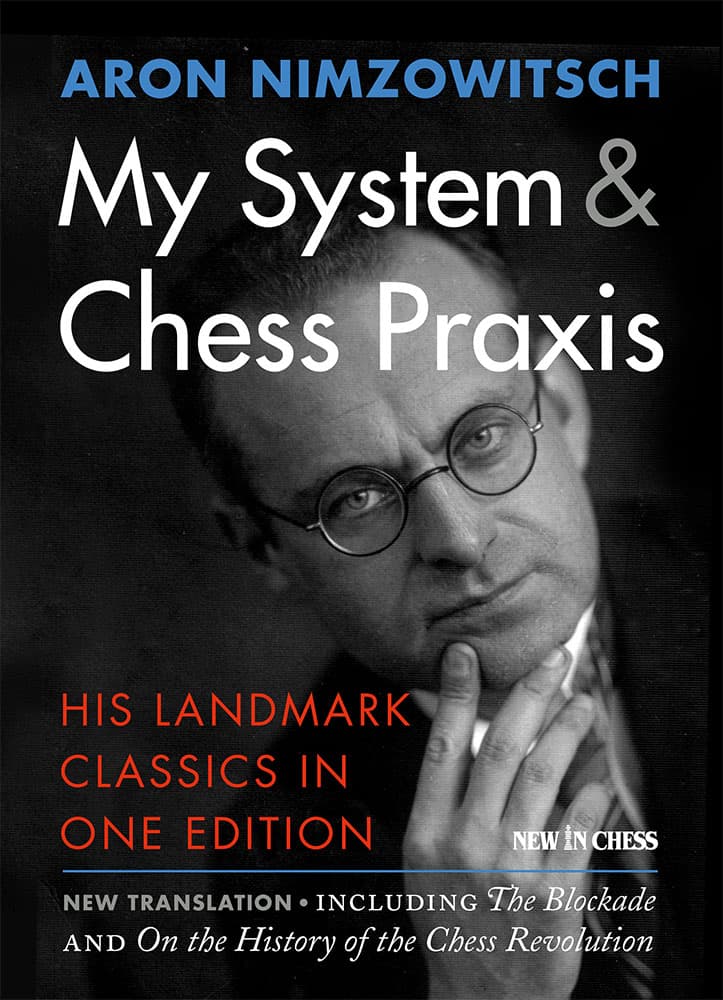
By the time I was 11, my school's chess teacher recommended My System, which I read during the summer between 5th and 6th grade. That was a truly inspiring read. Although some people don't like the book (and it has definite flaws), it was extremely valuable information, and it gave me the foundation I needed to understand more complex reading down the line. Once the summer was over, I started 6th grade, and I think this was my most productive reading period. I read these books:
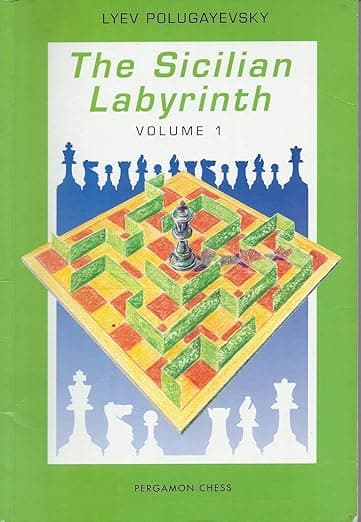
By the time I was 12, I had built an unbelievably good technical foundation. I'm sure I had lots of misunderstandings still, but I had basically acquired a very strong foundation of positional ideas (from Grau's books), as well as plenty of dynamic ideas from the Sicilian Labyrinth books. During the following two years, my memory is a bit hazy, but I know I read two more positional middlegame books I can't remember (must not have been that good), I skimmed two theoretical ending books, and I read the following books:
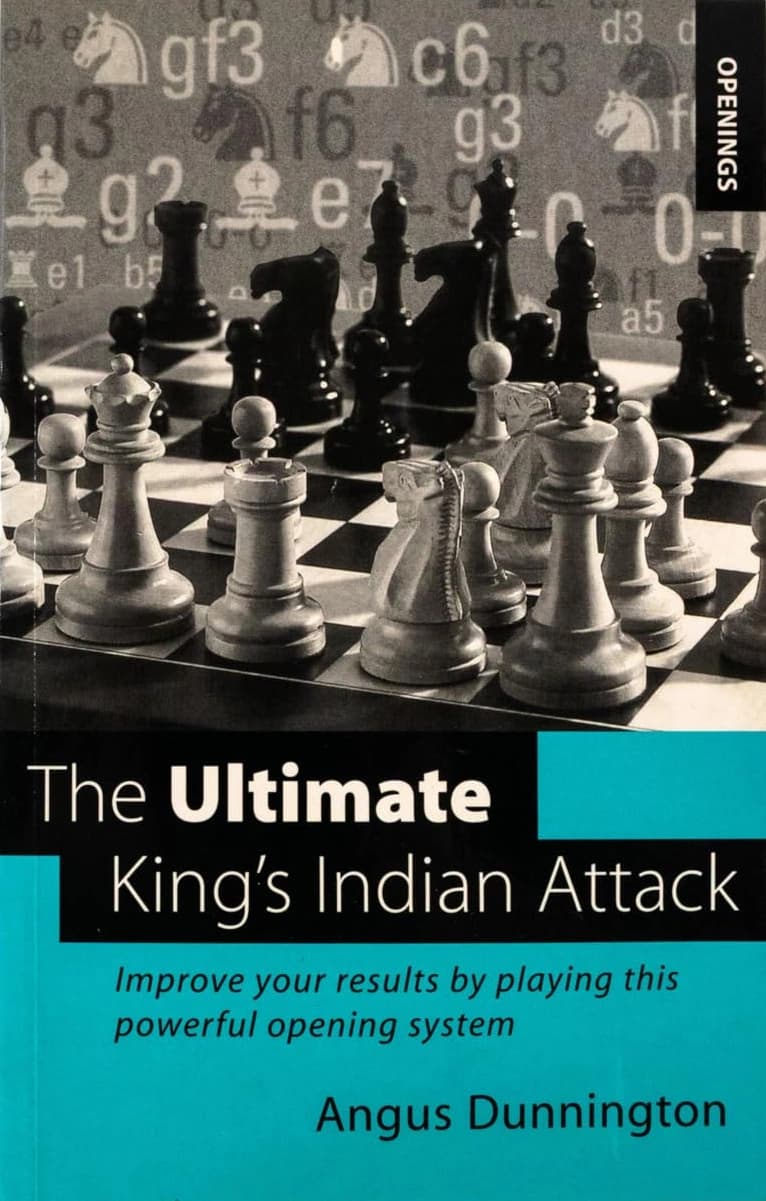
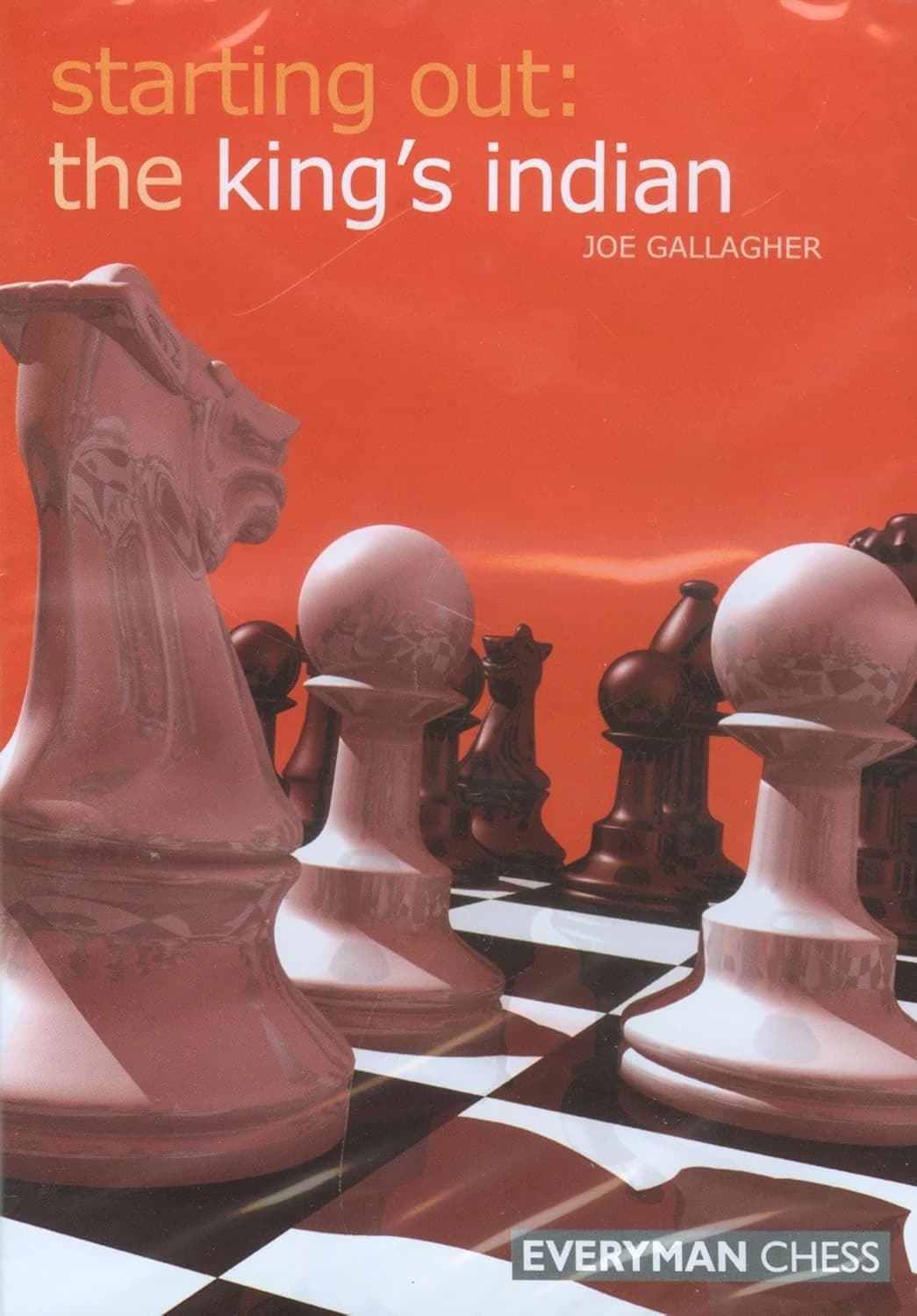
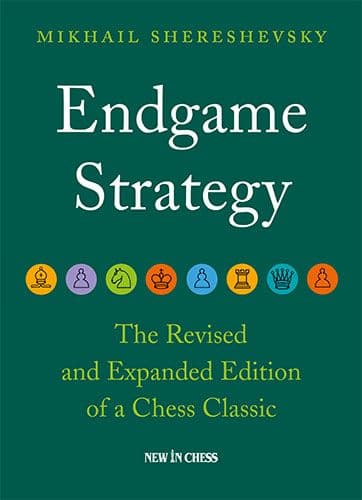
As you can imagine, Endgame Strategy was a truly transformative read for me, it gave me a whole new set of tools for how to impose small advantages and handle the endgame better in general. Meanwhile, the King's Indian Attack book was cool, but honestly, it was a bit misleading since the King's Indian Attack is not a great opening, but the examples from the book are carefully selected to show you winning plans only. I feel you need a whole set of additional examples in order to get a more unbiased perspective. One learning from that: always take opening books with a grain of salt!
Books To Reach IM & GM Title
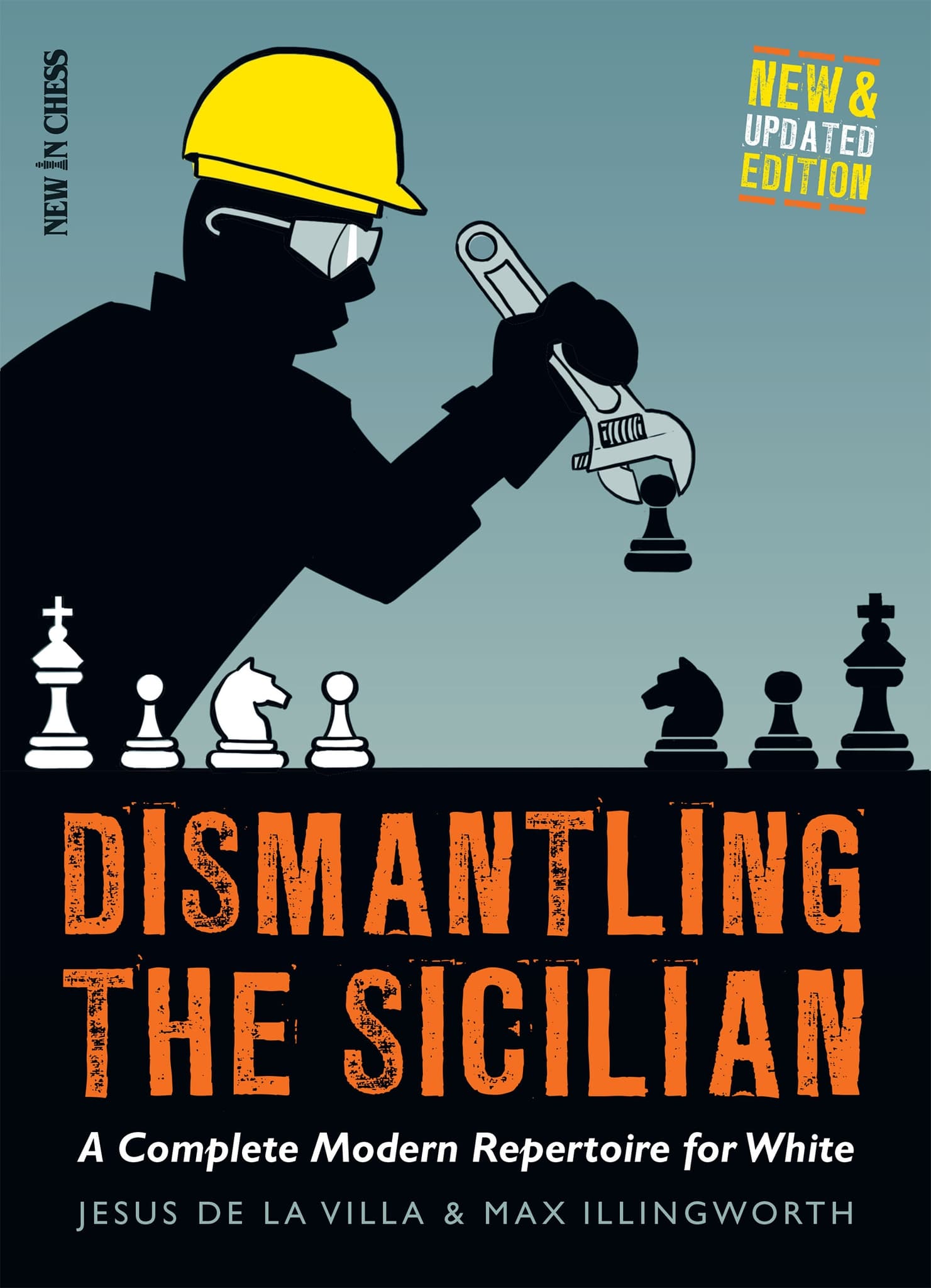
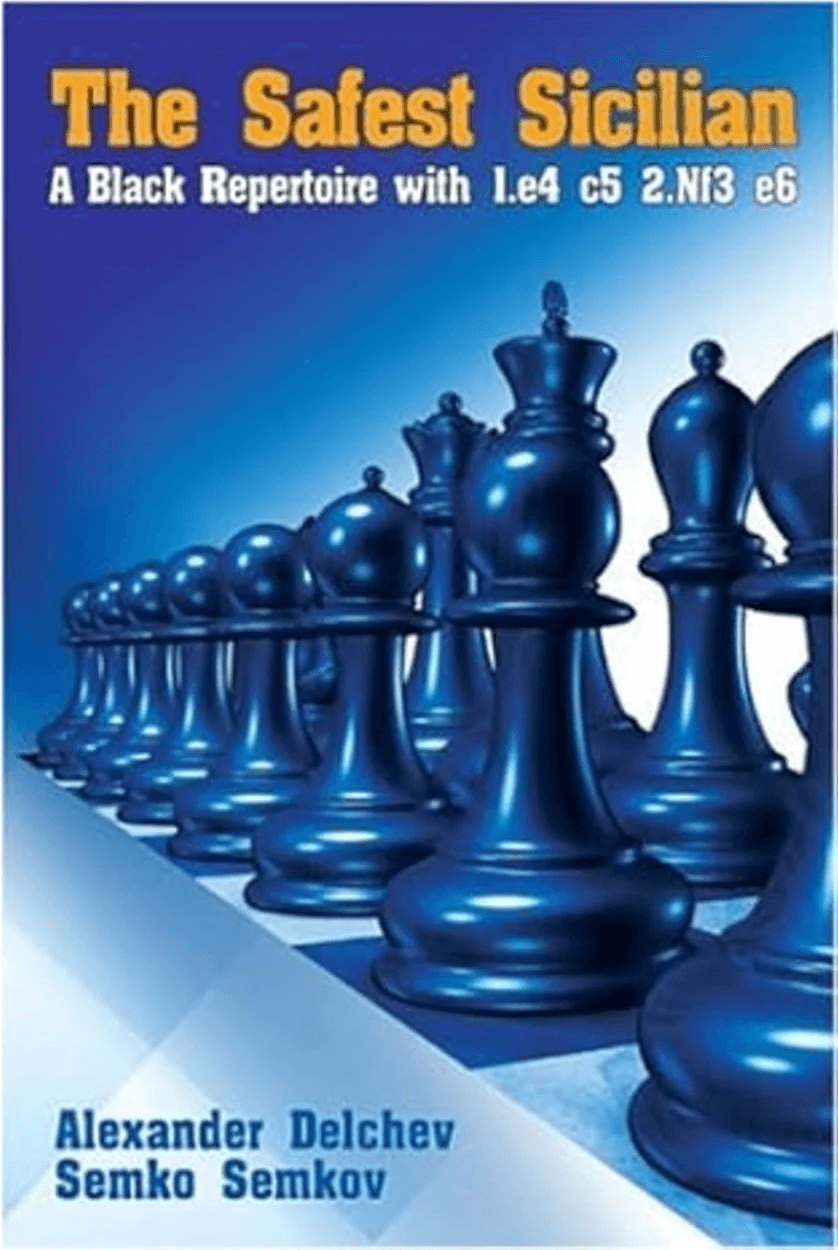
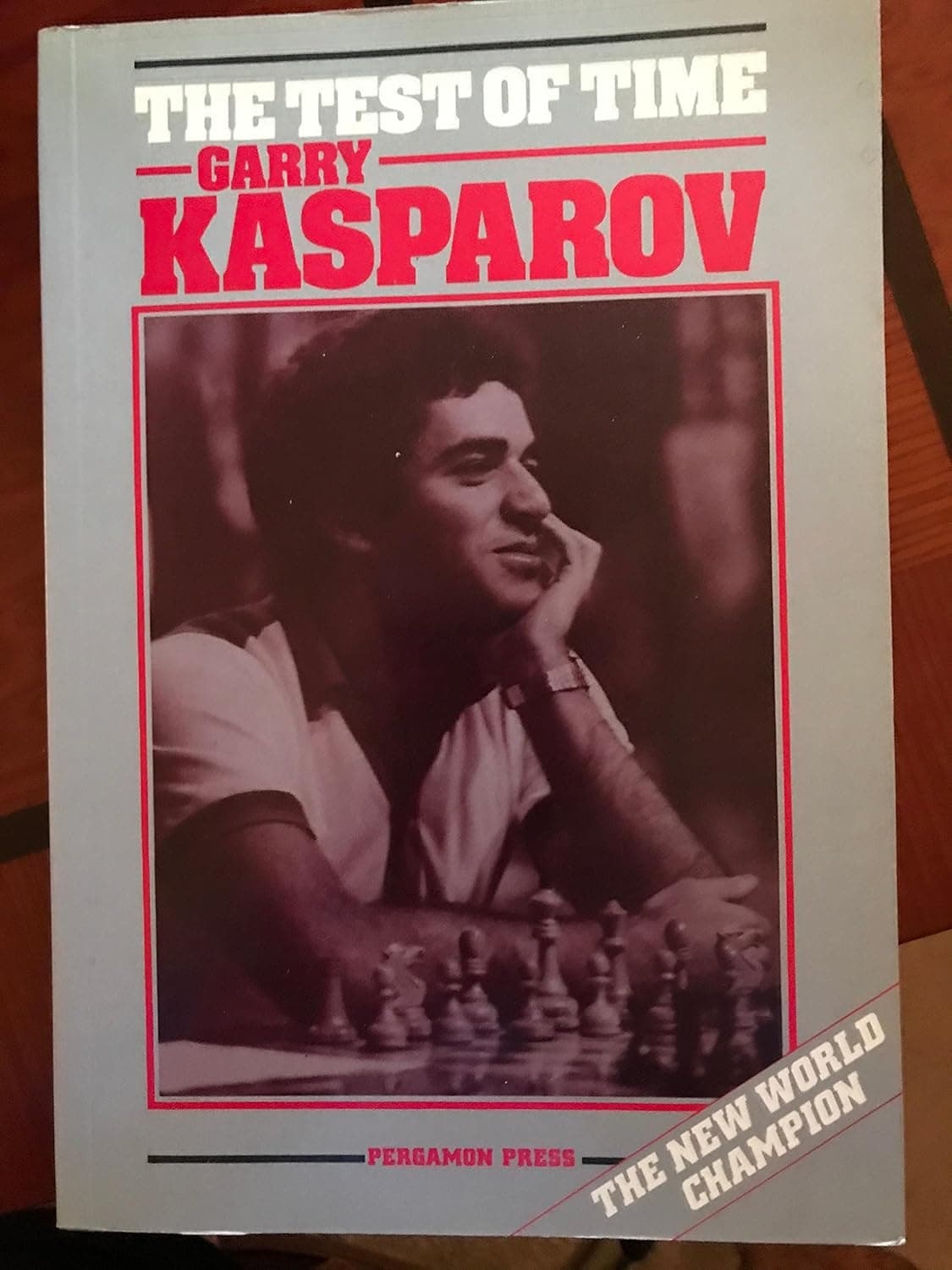
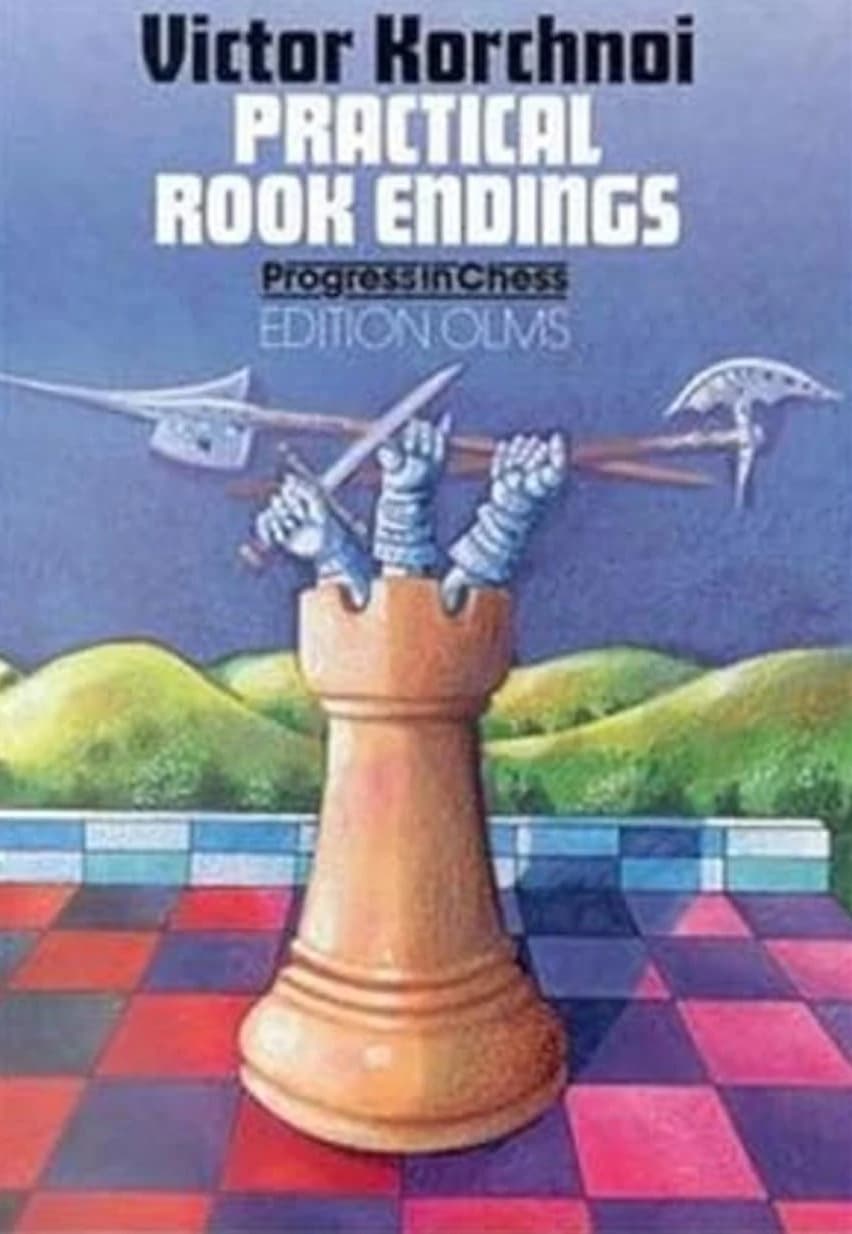
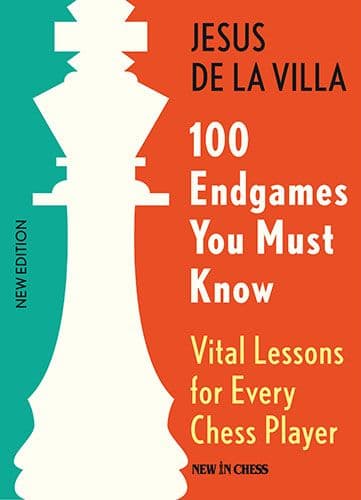
I started high school in early 2005, and by then I was nearing FM strength, and wasn't only relying on books anymore, since I needed to balance book reading with other forms of training (such as analyzing my own games). Still, I read a few more interesting books from 2005 until becoming a GM in 2009. Here's a mostly complete list:
I must admit that, as I got older, I became significantly more likely to read only a handful of sections from a given book before moving on to something else. I think in many cases that made sense, but if I could go back, I would have probably read some of the endgame books more cover-to-cover as I did with middlegame books when I was younger. As far as opening books, it was around 2005 that I got into the habit of transcribing entire opening books into my computer, so that I could use the engine to validate evaluations and find updates. That was incredibly slow but also very effective, and I improved tremendously as a result of that kind of opening preparation.
What books were the most helpful?
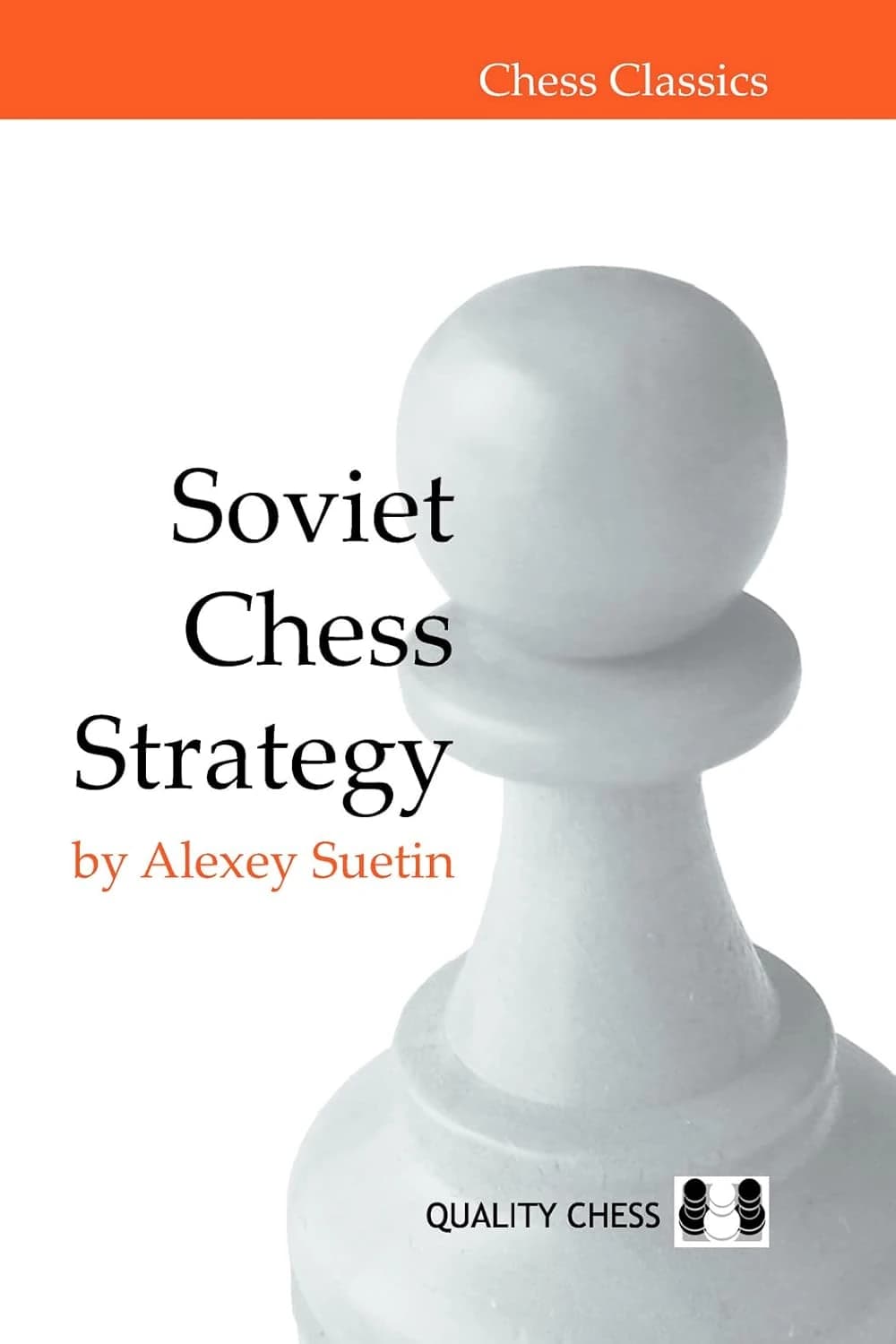
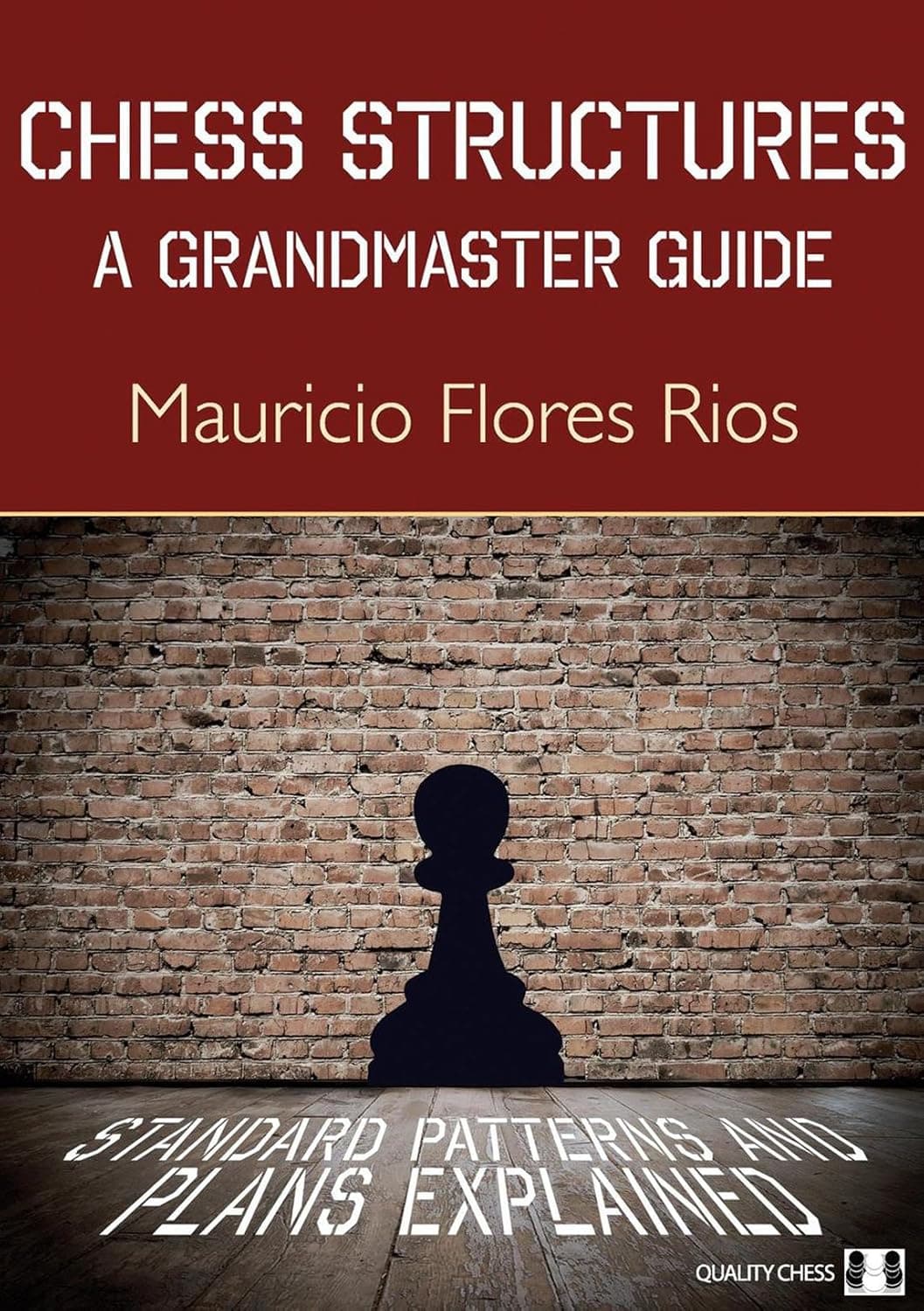
Here's a list of books I would recommend. I must point out that Grau's books aren't available in English, but I think my two books do a good job at covering similar ground with more recent examples, so I'll recommend those instead. You can read these in roughly any order, except for Chess Fundamentals which is necessary foundation if you're beginner.
What about you? Fill out your own library at ChessReads, and if you need help choosing your next book based on what you've read so far, you can always email me at [email protected], I'll do my best to respond.